
Salads
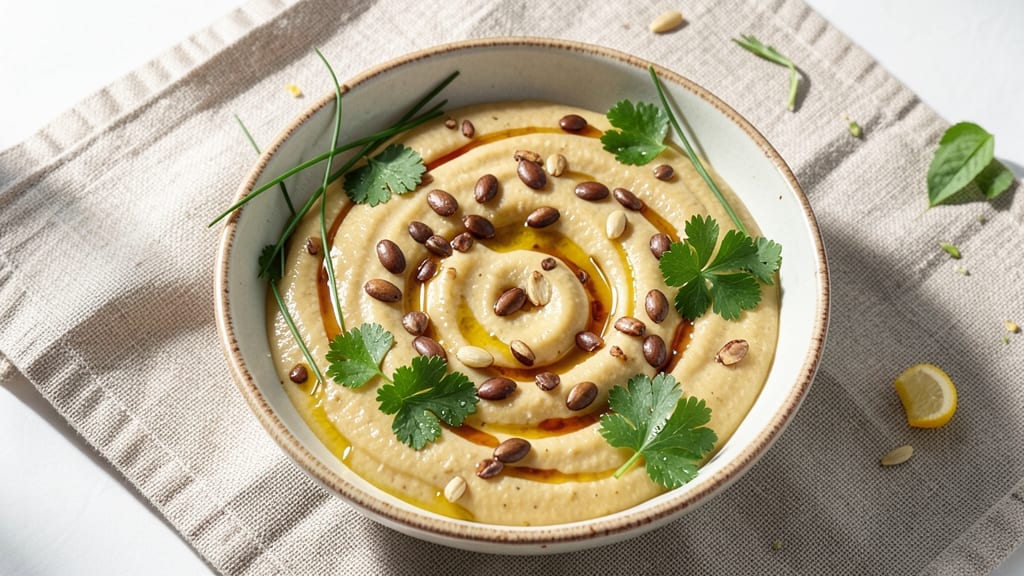
This American flatbread salad dressing recipe transforms ordinary greens into a vibrant, textured masterpiece with every drizzle. The herby garlic vinaigrette delivers bright acidity and aromatic depth, while toasted seed crunch adds a satisfying contrast that elevates any salad from simple to extraordinary.
What makes this dressing unique is the perfect balance of tangy vinegar, fresh herbs, and nutty seeds—all emulsified into a silky base that clings beautifully to leaves.
The foundation begins with a classic vinaigrette—extra virgin olive oil and apple cider vinegar—but the magic happens in the finishing touches. Toasted pumpkin seeds and sunflower seeds provide both visual appeal and a satisfying crunch, while fresh parsley and chives introduce layers of herbaceous freshness.
This dressing isn't just about flavor; it's about texture and presentation, making even the simplest salad feel like a gourmet creation.
What you'll achieve is a dressing that's versatile enough for hearty kale salads or delicate arugula bowls, yet robust enough to stand up to bold flavors like grilled chicken or roasted vegetables.
The toasted seeds add a subtle nuttiness that complements both sweet and savory ingredients, while the herby garlic base ensures every bite is aromatic and satisfying. The result? A dressing that transforms salads into a complete culinary experience.
Perfect for meal prep or last-minute lunches, this dressing keeps well in the refrigerator for up to five days, allowing flavors to meld and deepen over time.
Whether you're serving a summer picnic or a weeknight dinner, this herby garlic vinaigrette with toasted seed crunch will elevate your salads to new heights. Let's get started on creating this versatile, restaurant-worthy dressing.
Ingredients for american flatbread salad dressing
Nine simple ingredients create this restaurant-worthy dressing with perfect texture and flavor.
| Ingredient | Amount | Notes |
|---|---|---|
| Extra-Virgin Olive Oil 🫒 | ¾ cup | High-quality, fruity variety |
| Apple Cider Vinegar 🍎 | ⅓ cup | Raw, unfiltered preferred |
| Garlic Cloves 🧄 | 4 cloves | Fresh, minced finely |
| Fresh Parsley 🌿 | ⅓ cup | Flat-leaf, finely chopped |
| Fresh Chives 🌱 | ¼ cup | Thinly sliced |
| Pumpkin Seeds 🥜 | ⅓ cup | Raw, unsalted |
| Sunflower Seeds 🌻 | ⅓ cup | Raw, unsalted |
| Dijon Mustard 🌶️ | 1 tbsp | Mild variety |
| Honey 🍯 | 1 tbsp | Raw preferred |
| Sea Salt 🧂 | 1 tsp | Fine grain |
| Black Peppercorns 🌶️ | ½ tsp | Freshly ground |
The olive oil and vinegar are the backbone, so look for extra-virgin olive oil with a fruity aroma—Trader Joe's or Whole Foods bulk sections have great options. Apple cider vinegar should be raw and unfiltered for that tangy depth. I always grab the Bragg brand for its clean flavor. Fresh herbs make all the difference here—parsley and chives should be bright green, not wilted. If you're short on time, dried herbs work in a pinch (use half the amount), but fresh is ideal for that vibrant flavor. Toast your seeds in a dry pan for 3-4 minutes until fragrant—they'll add that satisfying crunch.
No Dijon mustard? Yellow mustard at half the amount works, though it's less refined. Short on honey? Maple syrup is a great swap, though it adds a slightly different sweetness. The seeds can be swapped for toasted pine nuts or walnuts if you prefer a different texture. If you're making this ahead, skip toasting the seeds until right before serving to keep them crisp. The garlic can be roasted for a milder flavor if you're sensitive to its punch. And if you're feeling fancy, add a pinch of smoked paprika for depth.
This dressing keeps beautifully in the fridge for 5-7 days—the flavors actually meld better over time. Store it in an airtight jar, and give it a good shake before using. The seeds stay crunchy if you toast them fresh each time you use the dressing, but they'll soften slightly after a day or two. For meal prep, I make a double batch and portion it into small jars—perfect for quick lunches. The dressing is also freezer-friendly for up to 3 months, though the texture might change slightly after thawing.
Why You'll Love This Recipe
- No-Chop Needed: I swear by this—just pulse the garlic, chop the herbs roughly (or skip it entirely), and blend. No mincing, no fuss, just smooth, bright dressing in under 5 minutes. That’s my kind of magic.
- Garlic-Chive Kick: Honestly, the combo of roasted garlic and fresh chives in this dressing is ridiculously good—like a fancy appetizer in liquid form. The apple cider vinegar cuts through the richness, so it’s never heavy, just bright and addictive.
- Salad Game-Changer: This isn’t just for greens—drizzle it over roasted veggies, toss it with grilled chicken, or even use it as a marinade. I’ve even poured it over flatbread toast with a sprinkle of feta, and suddenly, it’s a meal. Versatile? Absolutely.
- Pantry Staple Power: Between us, this dressing lasts forever in the fridge—no sad, wilted leftovers here. And since it’s just oil, vinegar, and herbs, it’s cheaper than store-bought but way better. Make a big batch; you’ll thank me later.
Step-by-step instructions for herby garlic vinaigrette with toasted seed crunch
This dressing comes together in minutes with bold flavors and a satisfying crunch from toasted seeds.
Toast the Seeds for Extra Crunch
Heat a dry skillet over medium heat and add the pumpkin seeds and sunflower seeds. Toast them for 3-4 minutes, stirring constantly, until they turn golden brown and smell nutty. Real talk: don't walk away—seeds burn faster than you think. Transfer the toasted seeds to a small plate and let them cool completely before using. This step adds texture that makes this dressing stand out from regular vinaigrettes.
While the seeds toast, you'll notice the kitchen fills with that warm, nutty aroma—it's a great sign you're doing it right. The seeds should be fragrant but not smoky. Once cooled, they'll keep their crunch for up to 1 week in an airtight container, so you can make extra for future salads.
Whisk Together the Dressing Base
In a medium bowl, combine the apple cider vinegar, Dijon mustard, honey, minced garlic cloves, sea salt, and black peppercorns. I like to use a fork first to break up the garlic and dissolve the salt completely—this prevents clumps in the final dressing. The mixture will smell tangy and garlicky, which is exactly what you want.
Next, slowly drizzle in the extra-virgin olive oil while whisking continuously. This gradual addition creates an emulsified dressing that won't separate. You'll notice the mixture thicken slightly as the oil incorporates. If it looks too thick, add 1-2 teaspoons of water to reach your desired consistency—this dressing should coat the back of a spoon but still pour easily.
Fold in Fresh Herbs and Toasted Seeds
Stir in the fresh parsley and fresh chives using a wooden spoon. The herbs add bright, fresh notes that balance the richness of the dressing. Give it a taste at this point—you might want to adjust the seasoning. If it needs more acidity, add another teaspoon of vinegar. If it needs sweetness, add a bit more honey. The dressing should taste vibrant and complex, not just tangy.
Finally, fold in the cooled toasted seeds. I like to sprinkle them in gradually so they're evenly distributed throughout. The seeds should be cool enough that they don't melt into the dressing when you add them. Give everything one final stir—you're almost there! The seeds will add a satisfying crunch to every bite of your salad.
Let It Rest and Store Properly
Cover the bowl and let the dressing sit at room temperature for 10-15 minutes. This resting time allows all the flavors to meld together. You'll notice the aroma becomes even more complex as the garlic and herbs infuse the oil. Don't skip this step—it makes a big difference in the final flavor.
Transfer the dressing to a clean jar or airtight container and store it in the refrigerator. It'll keep for up to 1 week, though I usually use it up within a few days. Before using, give it a good shake—the seeds tend to settle at the bottom. This dressing works perfectly on fresh greens, grain salads, or even as a dip for flatbread. The toasted seeds add a nice contrast to the creamy texture of flatbread, making each bite more interesting.
Pro Tips For Making American Flatbread Salad Dressing
- MINCE GARLIC FINE: I learned this the hard way—whole garlic cloves in dressing taste like a bitter punch. Use a knife to smash and mince them into tiny pieces (almost paste-like) so they dissolve completely. No food processor? A heavy-bottomed mug and the flat side of your knife work just as well.
- BALANCE ACID FIRST: Taste your vinegar-to-oil ratio before adding herbs. Apple cider vinegar is stronger than white, so start with 2 parts oil to 1 part vinegar, then adjust. Adding herbs too soon masks the balance—wait until the acid and oil play nice.
- CHOP HERBS DRY: Wet parsley and chives release bitter water. Pat them dry with a paper towel before chopping, or they’ll turn your dressing into a sad, watery mess. A quick shake in a bag works too—no fancy tools needed.
- STRAIN IF PICKY: Some people hate garlic bits in dressing. If you’re one of them, strain the mixture through a fine-mesh sieve after blending. It’s extra work, but your picky eaters (or your own palate) will thank you.
Creative variations of american flatbread salad dressing
Herb Swaps & Variations
Trade the parsley and chives for cilantro and basil if you love bright, citrusy notes—they pair beautifully with the garlic and vinegar. For a Mediterranean twist, use dried oregano and thyme (reduce to ½ teaspoon each) and add lemon zest instead of honey.
If you're making this for a spicy salad, toss in 1 teaspoon of finely chopped jalapeño or a pinch of red pepper flakes. 🌿
Sweet & Tangy Adjustments
Need more sweetness? Swap the honey for agave nectar or maple syrup—both work well, though maple adds a deeper caramel note. For extra tang, replace apple cider vinegar with balsamic vinegar (use 2 tablespoons) or rice vinegar for a lighter finish.
If you love umami, add 1 teaspoon of soy sauce or Worcestershire sauce to the base. The seeds will still shine through, but the flavor profile shifts dramatically.
Nutty Seed Alternatives
If you can't find pumpkin or sunflower seeds, try toasted pecans or walnuts for a richer, buttery crunch.
For a nut-free option, use toasted coconut flakes—they add a tropical twist that pairs surprisingly well with the herby garlic. Chia seeds or flaxseeds work too, but toast them for 1-2 minutes to prevent a fishy aftertaste.
The key is toasting—they must be fragrant and dry for that perfect texture.
Regional Twists
For a Southern-inspired version, add 1 teaspoon of smoked paprika and a dash of hot sauce to the base. In the Pacific Northwest, swap seeds for crushed hazelnuts and use pear cider vinegar instead of apple. A Mexican-inspired take?
Add 1 teaspoon of lime juice, ½ teaspoon of cumin, and ¼ teaspoon of chili powder—it’s amazing on black bean salads. Each regional tweak keeps the dressing's core structure while giving it a unique identity.
Dietary Adaptations
Make this gluten-free by ensuring your Dijon mustard is certified GF (check labels). For vegan, skip the honey and use maple syrup or agave. If you're nut-free, stick with seeds—quinoa or amaranth toasted lightly works too.
For low-sodium, reduce the sea salt to ½ teaspoon and add black pepper for extra depth. The dressing remains vibrant and flavorful while accommodating dietary needs. ✨
Seasonal Upgrades
In summer, add fresh mint leaves and a splash of lemon juice for a refreshing twist.
For fall, incorporate roasted butternut squash puree (2 tablespoons) into the base—it adds natural sweetness and creaminess. Winter calls for toasted sesame seeds and a touch of ginger (½ teaspoon grated) for warmth. Each seasonal swap keeps the dressing exciting year-round while staying true to its herby, garlicky roots.
Nutrition facts
Frequently asked questions
Can I make this dressing without seeds?
The toasted seeds add that signature crunch, but you can absolutely make it seed-free! Simply omit the pumpkin and sunflower seeds and increase the herbs by 1 tablespoon for extra freshness. The dressing will still have great flavor—just without the textural contrast. For a nutty alternative, try 1 tablespoon of toasted pine nuts instead.
How do I prevent the dressing from separating?
Emulsification is key! Always whisk the oil in slowly while combining it with the vinegar mixture. If it starts separating, simply whisk vigorously for 30 seconds to re-emulsify. For extra insurance, add ½ teaspoon of dry mustard powder to the base—it acts as a natural emulsifier. The honey and Dijon mustard also help stabilize the mixture.
What's the best way to store this dressing?
Transfer to an airtight jar and refrigerate for up to 1 week. The seeds stay crunchy best if toasted fresh each time you use the dressing, but they'll soften slightly after a day or two. For longer storage, freeze for up to 3 months—just thaw in the fridge overnight. Always shake well before using, as the seeds settle.
Can I use this dressing on non-salad dishes?
This versatile dressing works beautifully as a dip for flatbreads, pita chips, or grilled vegetables. It also makes an excellent marinade for chicken or fish—the garlic and herbs infuse beautifully. For a unique twist, drizzle it over roasted potatoes or use it as a finishing sauce for grain bowls.
Why does my dressing taste too strong?
Fresh herbs and garlic can be potent! If it's too strong, balance it by adding 1 teaspoon more honey or 1 tablespoon extra olive oil. The oil dilutes the flavors while maintaining the dressing's richness. For a milder garlic taste, use roasted garlic instead of raw in future batches. Taste as you go—you can always adjust!