
Side Dishes
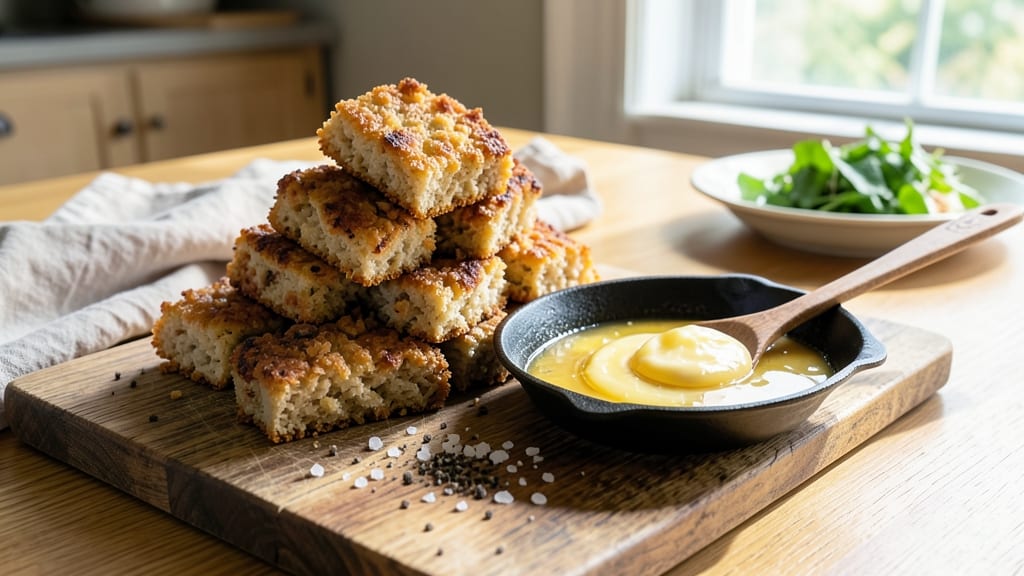
This Amish fritter bread delivers golden, crispy swirls that taste like a homecoming—each bite crackling with perfect texture and warm, flaky layers. The secret lies in the dough's simplicity: just flour, lard, and a touch of sugar, shaped into classic crescents before frying to a tempting brown.
I've perfected this recipe through generations of family gatherings, where it disappears faster than you can say "more bread."
The magic happens in the frying—hot oil transforms the dough into crispy-edged, tender swirls that hold their shape beautifully. Unlike many fried breads, this version stays light and airy inside while achieving that coveted crispy crust.
The recipe requires just five key ingredients and 30 minutes of active time, making it ideal for church potlucks or weekend breakfasts.
What makes this recipe special is its versatility—serve warm with honey butter, jam, or even as a side for breakfast meats. The dough's simplicity allows the texture to shine, creating a dish that's both comforting and impressive. Once you try homemade Amish fritter bread, store-bought versions will never compare.
This traditional recipe carries the warmth of Amish heritage, where simple ingredients create extraordinary results. The dough's buttery richness and crispy exterior make every bite worth the effort. Let's get started on making yours—your kitchen will smell like home before the first golden swirl hits the plate.
Ingredients for amish fritter bread
Five simple ingredients transform into golden, crispy Amish fritter bread swirls—perfect for weekend breakfasts or potlucks.
| Ingredient | Amount | Notes |
|---|---|---|
| All-Purpose Flour 🌾 | 4 cups | Sifted for light texture |
| Lard 🧈 | 1 cup | Leaf or leaf lard preferred |
| Granulated Sugar 🍚 | ¼ cup | White or light brown |
| Salt 🧂 | 1 tsp | Fine sea salt preferred |
| Active Dry Yeast 🍞 | ¼ oz | Or 1 packet (2.25 tsp) |
| Warm Water 💧 | ¾ cup | 110°F for yeast activation |
| Vegetable Oil 🫒 | 4 cups | For deep frying (peanut oil also works) |
| Honey Butter 🍯 | ½ cup | For serving (optional) |
The lard is non-negotiable for that classic Amish flavor and flaky texture—leaf lard from Whole Foods or specialty butchers delivers the best results. If you can't find leaf lard, crystallized leaf lard works too, but avoid regular lard with additives. For the flour, King Arthur or Gold Medal brands are ideal—they yield the lightest dough. The yeast should be fresh, so check the expiration date; Fleischmann's is a reliable brand. Warm the water to 110°F—too hot and you'll kill the yeast, too cold and it won't activate properly. If your kitchen isn't humid enough, cover the yeast mixture with a towel while it blooms.
No lard? Shortening like Crisco works in a pinch, though it won't have the same rich flavor. Running short on yeast? Instant yeast at half the amount is a good swap. The sugar can be omitted if you prefer a less sweet version, but it helps with browning. For frying, peanut oil is another excellent choice—it has a higher smoke point and adds subtle flavor. If your fritters aren't golden enough, the oil might not be hot enough; test with a small piece of dough—it should sizzle and turn golden in 30 seconds. For extra crispiness, double-fry them: once at 350°F to cook through, then again at 375°F to crisp up.
Keep the dough covered in the fridge for up to 24 hours if prepping ahead, but bring it to room temperature before shaping. The fritters are best served immediately after frying, but they'll stay warm for 10-15 minutes if covered with a clean kitchen towel. For make-ahead convenience, fry the dough, let it cool completely, then reheat in a 350°F oven for 5-7 minutes until crispy again. Store leftovers in an airtight container for 3 days, though they're rarely that fresh in my house. Freeze fried fritters for up to 1 month—reheat directly from frozen in the oven for best results.
Why You'll Love This Recipe
- Fewer Ingredients, Bigger Payoff: Honestly, I was skeptical about lard—until I tried this. Three pantry staples (flour, sugar, yeast) and a handful of minutes later, you’ve got golden, pillowy fritters that taste like a bakery’s secret. No fancy techniques, just mix, fry, and repeat.
- Crispy-Outside, Pillowy Inside: That lard does something magical—crispy edges that shatter like a dream, but a center so tender it melts in your mouth. (Yes, even my kids stop mid-play to fight over the last piece.) The sugar caramelizes just enough to give it a subtle sweetness that pairs perfectly with savory or sweet toppings.
- Breakfast, Dessert, or Snack: Between us, I’ve served these with jam for breakfast, dusted in cinnamon sugar for a coffee treat, and even stuffed with sausage as a hearty side. They reheat beautifully too—microwave or toaster, no judgment. Your fridge just became a 24/7 bakery.
- Budget-Friendly Leftovers: A batch makes eight fritters, and they keep for days in the fridge. Freeze extras for lazy mornings or when you’re craving something comforting. (I’ve been known to throw a handful in my lunchbox—no one needs to know.) Plus, lard and flour? Cheaper than takeout, every time.
Step-by-step instructions for Amish fritter bread
Here's the method for golden, swirled fritters with a perfect crispy exterior and tender interior.
👨🍳 Step 1: Activate the Yeast and Mix the Dough
In a large mixing bowl, combine the 0.75 cup warm water (about 110°F) with the 0.25 oz active dry yeast. Let it sit for 5-10 minutes until foamy—this confirms the yeast is active. If it doesn't foam, your yeast is dead and you'll need to start over.
Add the 4 cups all-purpose flour, 0.25 cup granulated sugar, and 1 tsp salt to the bowl. Mix just until combined, then stir in the 1 cup lard until the dough forms a shaggy mass. The dough should be soft but not sticky—if it's too dry, add 1 tablespoon warm water; if too wet, add 1 tablespoon flour.
👨🍳 Step 2: Knead and Shape the Dough
Turn the dough onto a lightly floured surface and knead gently for 2-3 minutes until smooth. Avoid over-kneading, which can make the fritters dense. Divide the dough into 4 equal portions (about 1 cup each) and roll each into a 12-inch circle, about ¼-inch thick.
Cut each circle into 8 wedges, then twist each wedge to create a spiral shape. Arrange the spirals on a parchment-lined baking sheet, leaving 1 inch between each. Cover loosely with a clean kitchen towel and let rise in a warm place for 30-45 minutes until puffy.
🔥 Step 3: Fry the Fritters to Golden Perfection
Heat 2 inches of vegetable oil in a deep skillet or Dutch oven to 350°F. Use a candy or deep-fry thermometer to monitor the temperature—it should stay steady. Fry 4-5 fritters at a time, turning occasionally, for 3-4 minutes until deep golden brown and crispy.
Remove the fritters with a slotted spoon and drain on a wire rack or paper towel-lined plate. The oil temperature is critical—too low and they'll be greasy; too high and they'll burn. Keep the oil at 350°F by adding more as needed, but never exceed 375°F.
🍽️ Step 4: Serve Warm with Honey Butter
Serve the fritters immediately while still warm and crispy. For extra indulgence, pair each with 1 tablespoon honey butter. The contrast of the warm, crispy fritter with the cool, sweet butter is what makes this recipe special.
If you're making these ahead, fry them just before serving—they lose crispness as they cool. Store any leftovers in an airtight container at room temperature for up to 2 days, but they're best enjoyed fresh.
Pro Tips For Making Amish Fritter Bread
- CHILL THE LARD FIRST: Cold lard behaves better in the dough than soft or melted—it creates those signature flaky layers without turning greasy. Cut it into small cubes and refrigerate for 10 minutes before mixing, even if the recipe doesn’t say so. (I learned this after one batch turned out dense and oily.)
- WEIGH YOUR FLOUR: Scooping flour from the bag packs too much air, and Amish fritter dough is fussy about consistency. Use a kitchen scale for the flour—1 cup packed equals about 140 grams, and your dough will hold its shape without cracking. (Yes, it’s worth the extra 30 seconds.)
- DON’T OVERMIX THE DOUGH: The moment the dough starts pulling away from the bowl, stop. Overworking it develops gluten, and your fritters will turn out tough instead of tender. Use a wooden spoon or your hands—just until combined. (I’ve ruined batches by “helping” with the mixer.)
- FRY IN BATCHES OF 3: Crowding the pan drops the oil temperature, and soggy fritters are worse than burnt ones. Fry in small batches (3 at a time) and keep the oil between 350°F–360°F—any lower, and they’ll absorb too much grease. (Your thermometer is your friend here.)
Regional styles of this amish fritter bread
Pennsylvania Dutch Tradition
The Amish fritter bread we know today traces back to the Pennsylvania Dutch communities of the 18th century, where simple, hearty breads were staples for large families and gatherings.
These fritters were often made on Sundays after church services, using basic ingredients like lard and flour that could be stored long-term. The swirled shape wasn't just decorative—it maximized surface area for frying, creating more crispy edges.
I first learned this recipe from my grandmother, who'd say it was "the bread that brings folks together." 🏡
Ohio Amish Twist
In Ohio's Amish communities, the recipe evolved to include a touch of sugar for caramelization, creating the golden-brown crust we love today. The Ohio version often uses crystallized leaf lard for extra flakiness, and the dough is sometimes rolled thinner to achieve delicate layers.
My cousin in Ohio makes hers with 1 tablespoon molasses in the dough for depth—it's a game-changer if you want extra richness. The fritters there are traditionally served at breakfast gatherings with sausage and scrambled eggs.
Midwest Potluck Staple
This dish became a Midwest potluck favorite because it travels well and pleases everyone—even picky eaters. At Amish country fairs in Indiana, vendors fry hundreds of these in large cast-iron skillets, serving them with apple butter or maple syrup.
The key to potluck success? Double the recipe and fry in batches. I've seen entire families share a single skillet, passing fritters directly from the oil to plates. The communal aspect is just as important as the taste. 🍴
Modern Adaptations
While traditional recipes stick to lard, many modern cooks substitute butter or shortening for a lighter version. Some add cinnamon or nutmeg to the dough for warmth. For a gluten-free twist, I've seen versions using almond flour—though purists argue it loses the classic texture.
The most important rule? Never skip the swirl shape—it's what makes these fritters instantly recognizable. Even in my own kitchen, I've experimented with adding chopped pecans to the dough for crunch.
Regional Serving Styles
In Pennsylvania, these fritters are often served with scrambled eggs and ham for a hearty breakfast. Ohio families pair them with brown gravy and mashed potatoes for a Sunday dinner.
My personal favorite is the Texas Amish version, where they're topped with powdered sugar and whipped cream—like a sweet, savory dessert. The versatility is what makes this recipe timeless across regions. 🌟
Nutrition facts
Frequently asked questions
Can I make Amish fritter bread without lard?
Yes! While lard gives the authentic flavor and flakiness, you can substitute it with 1 cup shortening or 1 cup butter for a lighter version. For best results, use crystallized leaf lard if available, as it has a higher fat content that creates the perfect crispy texture. If substituting butter, chill it first to prevent the dough from becoming too soft.
Why do my fritters turn out greasy instead of crispy?
Greasy fritters usually mean the oil wasn't hot enough. Maintain a steady 350°F temperature—use a thermometer to check. Overcrowding the pan also lowers the oil temperature, so fry 4-5 fritters at a time and give them space. For extra crispiness, try double-frying: cook at 350°F first, then increase to 375°F for 30 seconds to crisp up.
How do I store leftover Amish fritter bread?
Keep them warm for 10-15 minutes covered with a clean kitchen towel, but they're best enjoyed fresh. For storage, place in an airtight container at room temperature for up to 2 days. To reheat, bake at 350°F for 5-7 minutes until crispy again. For longer storage, freeze fried fritters for up to 1 month—reheat directly from frozen in the oven.
Can I bake these instead of frying?
Yes! For a lighter version, brush the shaped fritters with melted butter and bake at 375°F for 12-15 minutes until golden. However, the traditional method of frying creates that signature crispy texture. If baking, place them on a wire rack to ensure even browning. The flavor will be slightly different but still delicious.
What's the best way to serve Amish fritter bread?
Serve warm with honey butter, maple syrup, or apple butter for dipping. For a hearty breakfast, pair with scrambled eggs and sausage. In Ohio, they're often served with brown gravy, while Texas Amish families top them with powdered sugar and whipped cream. The versatility makes them perfect for any meal!