
Side Dishes
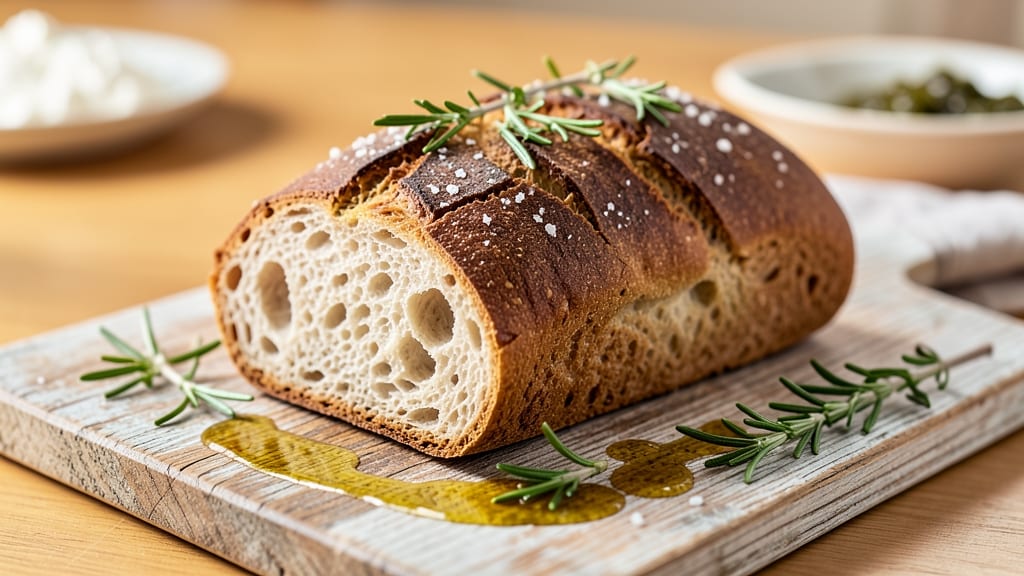
This archipelago bread recipe captures the essence of island breadmaking with its fragrant crust and tender crumb. 🌟 The recipe blends traditional techniques with simple ingredients—flour, olive oil, and fresh herbs—to create a loaf that's perfect for dipping in olive oil or serving alongside grilled meats.
I've perfected this version after years of baking, ensuring every slice delivers that authentic archipelago flavor.
The beauty of this recipe lies in its versatility and ease. You'll work with a basic dough enriched with olive oil and herbs, then shape it into a rustic loaf with a crispy crown.
The key is baking it at high heat to achieve that signature crust, whether in a wood-fired oven or your home kitchen. This method transforms simple ingredients into something truly special.
What makes this bread truly remarkable is its texture—crispy on the outside, soft and fragrant on the inside. The olive oil adds richness, while the herbs provide a fresh, aromatic touch that pairs beautifully with any Mediterranean meal.
Once baked, the crust develops a golden, crackly exterior that's perfect for dipping in olive oil or serving with wine.
This recipe is ideal for those who love rustic bread with a Mediterranean twist. Whether you're serving it at a family gathering or enjoying it with a simple meal, this loaf will become a staple in your kitchen. Let's get started on creating your own archipelago-style bread!
Ingredients for archipelago bread
Simple Mediterranean ingredients transform into a fragrant, crusty loaf perfect for dipping in olive oil.
| Ingredient | Amount | Notes |
|---|---|---|
| All-Purpose Flour 🌾 | 5 cups | Plus 1 cup for dusting |
| Extra-Virgin Olive Oil 🫒 | ¾ cup | High-quality, fruity variety |
| Active Dry Yeast 🍞 | 2 ¼ tsp | Or 1 packet instant yeast |
| Granulated Sugar 🍚 | 1 tbsp | For yeast activation |
| Warm Water 💧 | 1 ¼ cups | 110°F/43°C preferred |
| Salt 🧂 | 1 ½ tsp | Diamond Crystal kosher |
| Fresh Rosemary 🌿 | ¼ cup | Finely chopped, stems removed |
| Fresh Thyme Leaves 🌿 | ⅛ cup | Or 1 tbsp dried thyme |
| Coarse Sea Salt 🧂 | 1 tbsp | For crust enhancement |
| Cornmeal 🌽 | 2 tbsp | For dusting baking sheet |
| Ice Water ❄️ | ½ cup | For dough chilling |
The olive oil is non-negotiable here—look for extra-virgin with fruity notes at specialty stores or the international aisle. Trader Joe's and Whole Foods carry excellent options. Fresh herbs are ideal, but dried thyme at one-third the amount works in a pinch. The yeast should be fresh; if it's older than six months, test it in warm water with sugar—it should foam within 5 minutes. For the flour, King Arthur or Caputo brands yield the best results for rustic texture.
No fresh rosemary? Dried rosemary at half the amount suffices, but fresh provides that bright, piney aroma. Substitute oregano or marjoram if needed, though the flavor will differ. The coarse sea salt for the crust can be swapped for flaky Maldon salt if you want extra texture. For the yeast activation, warm water is critical—too hot kills it, too cold slows it down. If your kitchen is chilly, let the water sit for 10 minutes before mixing. Cornmeal for dusting can be replaced with semolina or rice flour for a similar effect.
This dough improves with a 24-hour cold proof in the fridge, but even a 1-hour rest enhances flavor. Store baked loaves in a paper bag at room temperature for up to 3 days to maintain crispness. For longer storage, freeze slices wrapped in parchment—reheat in a 350°F oven for 5 minutes. The crust stays freshest when eaten within 48 hours, so plan accordingly for maximum enjoyment.
Why You'll Love This Recipe
- Five-Ingredient Magic: I swear by this—just flour, olive oil, yeast, sugar, and water. That’s it. No fancy pantry staples or last-minute grocery runs. The dough comes together in minutes, and honestly? It’s the kind of recipe that makes me feel like I’ve earned my dinner.
- Golden Crust, Soft Heart: Between us, that olive oil crust is chef’s kiss—crispy enough to hold up to soup or dipping, but still tender inside. The sugar just barely caramelizes, giving it this subtle sweetness that balances the rustic, chewy texture. (Yes, even on a Tuesday night.)
- Meal Prep MVP: This bread freezes like a dream—slice it fresh, wrap it tight, and toss it in the freezer. When you’re craving toast or garlic bread later, just pop a slice in the oven. I make a double batch every Sunday because, let’s be real, no one wants to bake midweek.
- Budget-Friendly Staple: Flour, oil, yeast—these are the basics you already have. No specialty ingredients, no markup. A single batch feeds my family for days, and the leftovers? Perfect for croutons, breadcrumbs, or even a quick bread pudding. My wallet and I both approve.
Step-by-step instructions for Mediterranean olive and herb loaf
Transform simple ingredients into a rustic loaf with crispy edges and fragrant Mediterranean herbs.
👨🍳 Step 1: Activate the Yeast and Mix Wet Ingredients
In a small bowl, combine the 1.25 cups warm water, 1 tbsp granulated sugar, and 2.25 tsp active dry yeast. Let it sit for 5-10 minutes until frothy—this confirms your yeast is active. If it doesn't bubble, start over with fresh yeast.
In a large mixing bowl, whisk together the 0.75 cup extra-virgin olive oil, 1.5 tsp salt, 0.25 cup finely chopped fresh rosemary, and 0.125 cup fresh thyme leaves. The herbs should be finely chopped to distribute evenly throughout the dough. This aromatic base forms the heart of your bread's flavor profile.
🥘 Step 2: Combine Dry Ingredients and Form the Dough
Add the 5 cups all-purpose flour to the wet mixture and stir with a wooden spoon until a shaggy dough forms. Pour in the yeast mixture and knead by hand for 8-10 minutes until the dough becomes smooth and elastic. You'll know it's ready when it springs back slowly when poked.
If the dough feels too sticky, add 1-2 tablespoons flour at a time until it reaches the right consistency. The dough should be slightly tacky but not wet. Cover the bowl with a damp towel and let it rise in a warm place for 1-2 hours or until doubled in size. This resting period develops gluten and allows flavors to meld.
🔥 Step 3: Shape and Proof the Dough
Punch down the risen dough to release air, then turn it onto a lightly floured surface. Divide the dough into 4 equal portions and shape each into a round loaf. Place them on a parchment-lined baking sheet dusted with 2 tbsp cornmeal—this prevents sticking and creates a crispy bottom crust.
Cover the shaped loaves with a damp towel and let them proof for another 30-45 minutes until they've puffed up noticeably. The dough should feel springy when pressed gently. Preheat your oven to 425°F during this final proofing stage—hot ovens bake better bread.
🔪 Step 4: Score and Bake to Golden Perfection
Using a sharp knife or razor blade, score the top of each loaf with a crosshatch pattern—this allows steam to escape and prevents bursting. Sprinkle generously with 1 tbsp coarse sea salt over the scored areas for that signature Mediterranean touch.
Bake for 25-30 minutes until the crust is deep golden brown and sounds hollow when tapped on the bottom. Rotate the baking sheet halfway through for even browning. For extra crispiness, transfer the loaves to a wire rack and brush the tops with a little more extra-virgin olive oil while still warm.
⏰ Step 5: Cool and Serve for Maximum Flavor
Let the bread cool on a wire rack for at least 15 minutes before slicing—this prevents a gummy interior. The crust should be crisp enough to shatter slightly, while the interior remains soft and airy with pockets of olive oil flavor.
Slice each loaf into ¼-inch thick pieces and serve warm with olive oil for dipping or alongside Mediterranean meals. The herbs will release their aroma with each bite, creating a bread that tastes like a vacation to the islands.
Pro Tips For Making Archipelago Bread
- Measure Yeast by Weight: That little packet of yeast is not a perfect scoop—it’s usually 2¼ teaspoons, but scales are foolproof. I learned this the hard way when my dough took 3 hours to rise instead of 1. If you’re using a scale, 7 grams of active dry yeast is your golden number.
- Bloom Yeast in Olive Oil: Skip the water for the yeast activation—mix it directly in the olive oil instead. The fat helps the yeast wake up faster and gives the dough a subtle richness from the start. (Yes, it’s weird, but it works.)
- Knead Until Windowpane: Stop guessing when the dough’s ready—perform the windowpane test. Stretch a small piece: if it’s smooth, thin, and doesn’t tear, you’re good. Over-kneading dries out the dough, and under-kneading makes it dense. Aim for 8–10 minutes by hand.
- Shape Loaves Early: Shape your loaves right after the first rise, even if they’re not fully doubled. Cold-proofing (cover and refrigerate for 12–24 hours) gives you time to prep other things, and the slow rise develops deeper flavor. (Your future self will thank you.)
Best sauces and condiments for this dish
Olive Oil Drizzle
The simplest and most traditional way to elevate your archipelago bread is with a generous drizzle of extra-virgin olive oil right after baking. Use the same high-quality oil from your recipe—about 2 tablespoons per loaf—to enhance the crust's crispiness and add a luxurious finish.
Warm the oil slightly before drizzling for a smoother application. 🫒
Herb-Infused Honey
Combine ¼ cup honey with 1 tablespoon chopped fresh rosemary and 1 teaspoon lemon zest in a small saucepan. Simmer for 3-4 minutes until fragrant, then brush onto warm bread slices. The floral notes of the honey complement the bread's earthy herbs beautifully.
Whole-Grain Mustard
A Dijon-style mustard (like Amora or Maille) adds a tangy contrast that pairs perfectly with the bread's richness. Mix 1 tablespoon mustard with 1 teaspoon honey and 1 teaspoon olive oil for a balanced spread. This combination works especially well with grilled meats or charcuterie boards.
Garlic and Herb Compound Butter
Blend ½ cup softened butter with 2 minced garlic cloves, 1 tablespoon chopped parsley, and ½ teaspoon salt. Roll into a log and chill for 30 minutes before slicing. Spread on warm bread for a creamy, aromatic bite that enhances every flavor in the loaf.
Spicy Olive Oil
Infuse ½ cup olive oil with 1 tablespoon crushed red pepper flakes and 1 teaspoon flaky sea salt by heating gently for 5 minutes. Strain and drizzle over slices for a bold, fiery kick. This works wonderfully with grilled vegetables or as a dipping sauce for the bread itself.
Mediterranean Tapenade
Blend 1 cup Kalamata olives, 2 tablespoons capers, 1 garlic clove, and 2 tablespoons olive oil until chunky. Spread on toasted bread slices for a briny, umami-rich topping that mirrors the flavors of the Aegean islands. Add a sprinkle of fresh oregano for extra freshness.
Nutrition facts
Frequently asked questions
Can I make this Mediterranean olive bread without yeast?
Yes! For a traditional archipelago-style loaf, you can replace the yeast with 1 cup warm water and 1 tbsp baking soda—this creates a quick-bread version. However, the texture will be denser. For best results, use 1.5 cups all-purpose flour and bake immediately at 375°F for 25-30 minutes in a greased pan.
How do I store leftover archipelago bread?
Wrap cooled loaves in a paper bag at room temperature for up to 3 days to maintain crispness. For longer storage, freeze slices wrapped in parchment—reheat in a 350°F oven for 5 minutes until warm. The crust stays freshest when eaten within 48 hours.
What if my dough doesn't rise properly?
Check your yeast first—it should foam within 5-10 minutes in warm water with sugar. If not, use fresh yeast. Also ensure your kitchen is warm (at least 75°F) and the dough is covered. For extra lift, place the bowl on top of the oven with the light on (not heat) for 30 minutes before rising.
Can I use whole wheat flour in this recipe?
Replace up to 2 cups of all-purpose flour with whole wheat, but expect a denser crumb. For best results, add 1 extra tablespoon olive oil to compensate for the dryness. The herbs will still shine through, but the texture will be heartier—ideal for dipping in olive oil.
What's the best way to reheat sliced archipelago bread?
For crispy crusts, wrap slices in foil and warm in a 350°F oven for 5-7 minutes. For extra crispiness, toast in a dry skillet over medium heat for 1-2 minutes per side until golden. Avoid microwaving—it makes the crust soggy.