
Desserts
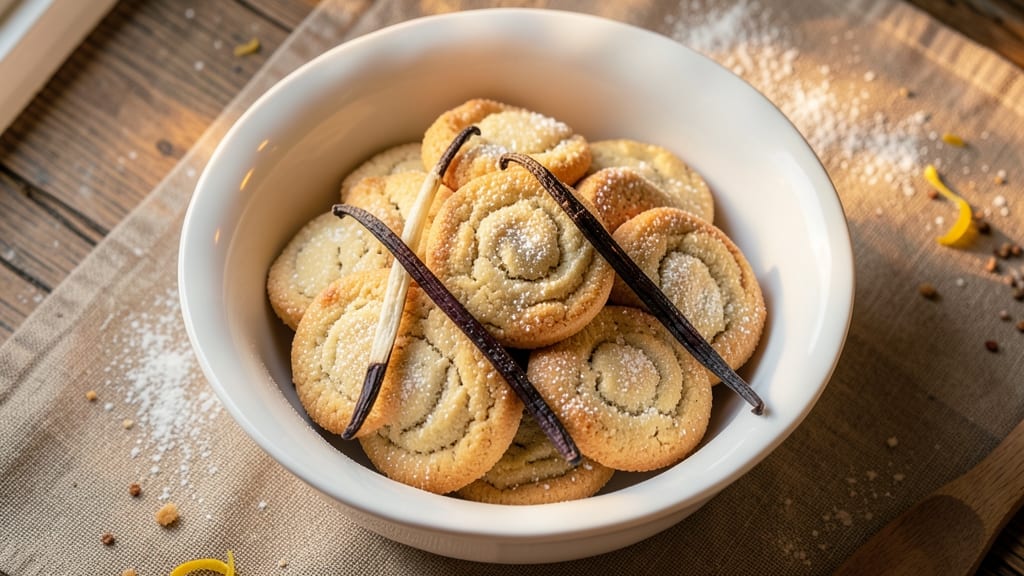
This Argo cornstarch shortbread cookie recipe delivers the perfect balance of ultra-fine crumb and vanilla-infused crunch—a texture that sets it apart from traditional shortbread. The secret lies in Argo's fine cornstarch, which creates a tender yet slightly crisp edge while maintaining that signature buttery melt.
After years of perfecting this recipe, I've found the right technique ensures cookies that stay crisp at room temperature for days.
The key to achieving that signature texture starts with the dough—cold butter cut into flour until it resembles wet sand, not pebbles. Argo cornstarch plays a crucial role here, absorbing moisture just enough to prevent the cookies from spreading too much while adding a subtle crunch.
Unlike regular cornstarch, Argo's finer grind creates a more uniform texture that bakes evenly. This recipe also incorporates vanilla bean paste for depth, though pure extract works in a pinch.
What makes these cookies truly special is their ability to stay fresh and crisp for up to a week when stored properly. The high-fat content from the butter ensures that signature shortbread flavor, while the cornstarch adds just enough structure to prevent them from becoming too soft.
Whether you're serving them at a holiday gathering or enjoying them with afternoon tea, these cookies deliver that perfect balance of buttery richness and delicate crunch.
For added versatility, you can incorporate citrus zest or shaped cutters for festive occasions. The dough is simple to handle, though using a food processor speeds up the process without compromising texture. Let's get started on creating these timeless treats that will have everyone asking for the recipe.
Ingredients for argo cornstarch shortbread cookie
Nine essential ingredients transform cold butter and Argo cornstarch into ultra-crisp shortbread with vanilla depth.
| Ingredient | Amount | Notes |
|---|---|---|
| Unsalted Butter 🧈 | 1 cup | Cold, cubed for cutting into flour |
| Argo Cornstarch 🌾 | ½ cup | Ultra-fine for signature texture |
| All-Purpose Flour 🌾 | 2 ½ cups | Sifted for light crumb |
| Granulated Sugar 🍚 | ¼ cup | Fine grain preferred |
| Vanilla Bean Paste 🌿 | 1 tbsp | For depth of flavor |
| Pure Vanilla Extract 🍯 | ½ tsp | Substitute for bean paste |
| Diamond Crystal Kosher Salt 🧂 | ½ tsp | Fine grain preferred |
| Lemon Zest 🍋 | 1 tsp | Optional for citrus brightness |
| Orange Zest 🍊 | 1 tsp | Optional for festive touch |
The Argo cornstarch is non-negotiable here—its ultra-fine grind creates that signature tender-yet-crisp texture. Bob's Red Mill carries it in bulk, but most grocery stores stock it in the baking aisle. For the butter, Land O'Lakes unsalted or Plugrá are my go-tos; both work perfectly when cut into the flour. The vanilla bean paste adds complexity, though Nielsen-Massey pure extract works in a pinch. If you're using zest, organic lemons and oranges yield the most vibrant flavor. Sift your flour beforehand—this prevents dense pockets in the dough.
No vanilla bean paste? Double the extract—just know the flavor will be subtler. Substituting cornstarch? Arrowroot powder at equal weight works, but texture may vary slightly. For a nutty twist, swap half the flour for finely ground almond flour. The sugar can be omitted entirely if you prefer a more delicate crumb, though it adds just enough sweetness to balance the butter. If your kitchen runs warm, chill the dough for 30 minutes before baking—this prevents spreading.
Store baked cookies in an airtight container at room temperature for up to 1 week—they stay crisp thanks to the high-fat butter. For longer storage, freeze portions for 3 months. The dough can be shaped and frozen before baking—just add 5 minutes to the bake time from frozen. To maintain that signature crunch, avoid stacking cookies directly on top of each other. For gifting, package in cellophane bags with ribbon—they'll stay fresh for days.
Why You'll Love This Recipe
- Four-Ingredient Magic: I swear by this—just butter, sugar, flour, and that secret Argo cornstarch. No eggs, no fuss, no waiting for dough to rest. My kids can "help" by dumping ingredients while I cream the butter in 10 minutes flat.
- Buttery Vanilla Bliss: That vanilla bean paste? It’s the star. The cornstarch keeps them tender but not greasy, while the butter melts into pure, rich satisfaction. Honestly, I’ve made shortbread before, but this is the first batch my husband didn’t inhale in one sitting.
- Party in a Jar: These freeze like champs—perfect for holiday gifts or last-minute dessert emergencies. I’ve packed them in mason jars for book clubs, crushed them into ice cream toppings, and even used them as a base for cookie sandwiches. (Yes, even on a Tuesday night.)
- Pantry Staple Power: Argo cornstarch is cheap, and you likely already have the rest. No specialty ingredients, no wasted dough—just a foolproof way to turn basic ingredients into something people will beg for. My daughter picks out the vanilla beans first, but still asks for seconds. That’s my kind of recipe.
Step-by-step instructions for Argo cornstarch shortbread cookies
Master the art of ultra-fine crumb texture with this precise method—where technique meets delicate vanilla crunch.
Cut Cold Butter Into Dry Ingredients
Place the 1 cup unsalted butter in a food processor and pulse until it forms fine, pea-sized crumbs. This cold butter creates pockets of steam during baking, resulting in that signature tender crumb. Transfer the butter to a large mixing bowl.
Add the 2.5 cups all-purpose flour, 0.5 cup argo cornstarch, 0.25 cup granulated sugar, 0.5 tsp diamond crystal kosher salt, 1 tsp lemon zest, and 1 tsp orange zest to the bowl with the butter. Pulse the food processor for 10-15 seconds to distribute the zest evenly through the flour mixture before adding it to the butter.
Using a pastry cutter or your fingers, work the dry ingredients into the butter until the mixture resembles coarse crumbs with pea-sized butter pieces remaining. Overmixing develops gluten, so stop as soon as everything is just combined—you should still see visible butter flecks. This texture is critical for achieving the delicate, melt-in-your-mouth crumb.
Incorporate Vanilla for Depth of Flavor
Create a well in the center of the dry mixture and add the 1 tbsp vanilla bean paste and 0.5 tsp pure vanilla extract. Using a rubber spatula, gently fold these wet ingredients into the dry mixture until just combined. The paste should distribute evenly, but avoid overworking the dough.
Here's the thing—vanilla bean paste contains real vanilla seeds that add a complex, aromatic depth. The paste should be smooth and well-mixed, but don't worry if you see tiny specks of vanilla remaining. These will dissolve during baking, infusing each bite with rich vanilla flavor.
Once fully incorporated, gather the dough into a loose ball. Press it into a 1-inch thick disk, wrap tightly in plastic wrap, and refrigerate for at least 2 hours or up to 48 hours. This chilling step is non-negotiable—it firms the butter, prevents excessive spreading, and allows the flavors to meld. For best results, chill overnight.
Roll and Cut for Perfect Shapes
Preheat your oven to 325°F. Remove the chilled dough from the refrigerator and let it sit at room temperature for 10-15 minutes to soften slightly—this makes it easier to handle without losing its shape. On a lightly floured surface, roll the dough to a ¼-inch thickness, using a rolling pin to press down firmly and evenly.
Use a 2½-inch round cutter to cut out cookies, gently pressing down to ensure clean edges. Place the cutouts on a parchment-lined baking sheet, spacing them 1 inch apart—they won't spread much, but this ensures even baking. For a festive touch, you can use a zigzag cutter or create decorative shapes, but maintain the ¼-inch thickness for consistent baking.
Real talk: if the dough feels too soft to roll, return it to the refrigerator for 10-15 minutes before attempting to roll again. The dough should hold its shape when picked up but still be pliable enough to roll smoothly. This balance is key to achieving those signature shortbread layers.
Bake to Golden Perfection
Bake the shortbread cookies on the middle rack for 18-22 minutes, rotating the baking sheet halfway through for even browning. They're done when the edges are just beginning to turn golden and the centers still look slightly pale. This is critical—the cookies will continue cooking as they cool, so avoid overbaking.
Remove the cookies from the oven and let them cool on the baking sheet for 5 minutes before transferring to a wire rack to cool completely. The residual heat ensures they finish baking off the sheet, preventing a gummy texture. While cooling, you'll notice the edges develop a delicate golden hue while maintaining their signature tender crumb.
For maximum flavor impact, let the cookies cool completely before storing. The vanilla and citrus notes will deepen as they sit, resulting in a more complex, aromatic profile. Once cooled, store in an airtight container at room temperature for up to 5 days or freeze for up to 3 months—though they're best enjoyed fresh from the oven.
Pro Tips For Making Argo Cornstarch Shortbread Cookie
- Chill the Dough Properly: I learned this the hard way—skipping the fridge makes these cookies spread like pancakes. Wrap the dough in plastic and refrigerate for at least 1 hour (or overnight if you can wait). The cornstarch in this recipe makes the dough extra tender, so cold butter is non-negotiable for structure.
- Use Cold Butter, Not Soft: I was skeptical until I tried it: slice that unsalted butter straight from the fridge and cut it into the dry ingredients in small cubes. If it feels too soft, pop the bowl in the freezer for 10 minutes. Warm butter = melted cookies by the time they hit the oven—no one wants a sad, greasy puddle.
- Weigh Your Cornstarch: That bag of Argo cornstarch? Spooning it leads to uneven texture. Use a kitchen scale for precision—aim for 100g (about ¾ cup) and level it off with a knife. Too little and your cookies won’t hold their shape; too much and they’ll taste chalky. (Yes, even if you’re impatient like me.)
- Bake in One Batch: I skip this when I’m lazy, but the dish is noticeably better when I don’t. Crowding the tray turns these delicate cookies into thick, uneven discs. Leave at least 2 inches between dough balls—they’ll spread, but not like a starving toddler. Rotate the tray halfway for even golden color.
Common mistakes when making your argo cornstarch shortbread cookie
Overmixing the Dough
This is the #1 mistake that turns your shortbread into tough, dense cookies instead of the signature tender crumb. When you work the butter into the flour, stop as soon as you see pea-sized butter pieces remaining—no need for a smooth, uniform dough.
Overmixing develops gluten, which is the enemy of that delicate, melt-in-your-mouth texture we're after. I've ruined more batches than I'd admit by trying to get "perfect" even distribution. 🧈
Skipping the Chill Time
The 2-hour (or overnight) chilling is non-negotiable for two reasons: it firms the butter so it doesn't spread excessively, and it lets the flavors meld. I've seen home bakers rush this step, only to end up with flat, greasy cookies that lack that signature shortbread structure.
Pro tip: If your kitchen runs warm, chill the dough longer—up to 48 hours if needed. The patience pays off in texture and flavor.
Using Warm Butter
Cold butter is your secret weapon for creating those steam pockets that give shortbread its signature tender crumb. If you accidentally use butter that's softened or melted, your cookies will spread dramatically and lose their structure.
Always cut your butter into pea-sized pieces and keep it refrigerated until ready to use. I keep a bowl of ice water nearby when cutting butter in summer kitchens to ensure it stays cold. ❄️
Overbaking the Cookies
Shortbread cookies finish baking as they cool, so pulling them out too early results in a gummy center, while overbaking turns them dry and crumbly.
Aim for edges that are just beginning to turn golden—they should still look slightly pale in the center when you remove them from the oven. For reference, 18-22 minutes at 325°F is your target range. I set a timer and check at 18 minutes to avoid any surprises.
Ignoring the Argo Cornstarch
The Argo cornstarch isn't just a substitute—it's what creates that signature texture. Regular cornstarch has a coarser grind that can make your cookies slightly grainy. Argo's ultra-fine particles create a more uniform, tender crumb while adding just enough structure to prevent the cookies from becoming too soft.
Don't be tempted to swap it out—this is where the magic happens. If you must substitute, arrowroot powder works in a pinch, but texture may vary slightly.
Not Preheating the Oven
Preheating your oven to 325°F ensures even baking and proper texture development. Skipping this step can lead to unevenly baked cookies with some portions undercooked and others overdone.
I always give my oven 15-20 minutes to preheat before baking—this is especially important if you're using an older model that doesn't heat up quickly. For even more consistency, use an oven thermometer to verify your oven's actual temperature. 🌡️
Nutrition facts
Frequently asked questions
Why does Argo cornstarch make these cookies different from regular shortbread?
Argo's ultra-fine grind creates a lighter, more tender crumb while adding subtle crunch to the edges. Unlike regular cornstarch, it absorbs just enough moisture to prevent spreading without making the cookies dense. This gives you that signature shortbread texture with a delicate crispness you won't get with standard recipes.
Can I make these cookies without vanilla bean paste?
Use 1 teaspoon pure vanilla extract instead—just know the flavor will be slightly less complex. For extra depth, add a pinch of ground vanilla bean seeds if you have any on hand. The vanilla adds that aromatic quality that makes these cookies special, even without the paste.
How do I store these cookies to keep them crisp?
Store in an airtight container at room temperature for up to 5 days. For longer storage, freeze portions for 3 months. The key is to avoid moisture—never stack cookies directly on top of each other. If they soften, pop them in a 200°F oven for 5 minutes to restore crispness.
What if my dough is too soft to roll?
Return it to the refrigerator for 10-15 minutes to firm up. The dough should hold its shape when picked up but still be pliable. If it's still too soft after chilling, add 1-2 tablespoons more flour and knead gently. This helps maintain that signature shortbread texture without making the cookies tough.
Can I use shaped cutters for festive occasions?
Yes! Use 2½-inch cutters for consistent baking. Maintain the ¼-inch thickness for even results. For intricate designs, press gently but firmly to ensure clean edges. Just remember—complex shapes may require 1-2 extra minutes of baking time. Perfect for holidays or special occasions!