
Side Dishes
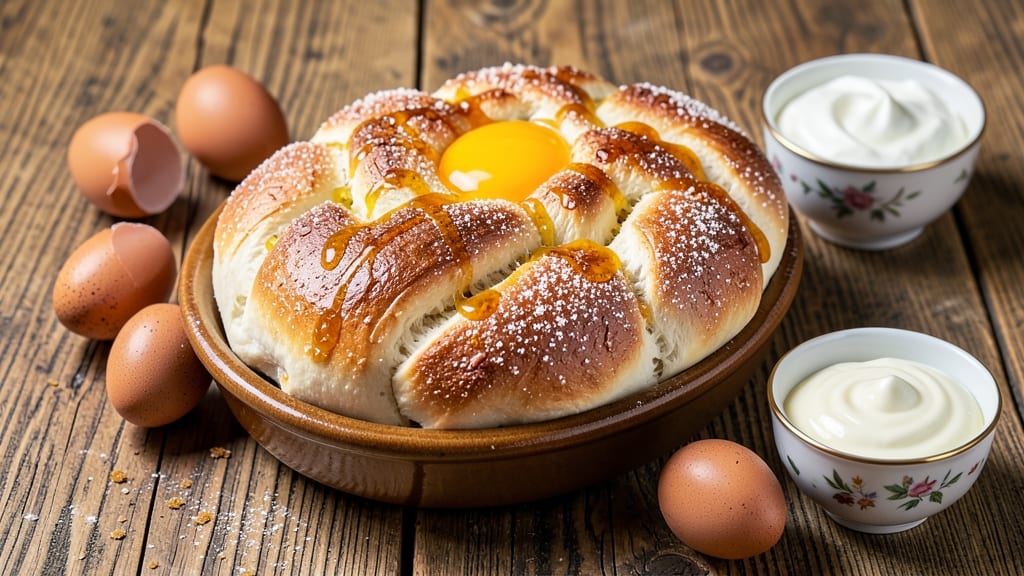
This Armenian Easter bread choreg recipe brings the heart of Armenian tradition to your kitchen with its golden crust and sweet raisin swirls. 💛 The rich, buttery dough and tender raisins create a perfect balance of textures that makes every bite feel like a celebration.
What sets choreg apart is its cultural significance—this bread is traditionally baked for Easter, symbolizing prosperity and joy.
The recipe begins with a simple yet flavorful dough that combines flour, yeast, and a touch of sugar to create a soft, pliable base. Raisins are folded into the dough before shaping, ensuring each bite delivers bursts of sweetness.
The secret to achieving that signature golden crust lies in a careful egg wash and precise baking technique that transforms the bread into something truly special.
What you'll end up with is a beautifully braided loaf with a crisp exterior and a tender, slightly sweet interior filled with juicy raisins. The aroma alone will fill your home with warmth and tradition, making it perfect for Easter gatherings or special family occasions.
This recipe is not just about baking—it's about creating a piece of Armenian heritage.
Serve the choreg warm with a dusting of powdered sugar or alongside your favorite Armenian dishes for an authentic experience. The combination of the buttery crust and sweet raisins makes this bread a standout centerpiece for any celebration.
Ingredients for armenian easter bread choreg
Golden crust, sweet raisins, and that buttery aroma—just 12 ingredients for Armenian Easter magic.
| Ingredient | Amount | Notes |
|---|---|---|
| All-Purpose Flour 🌾 | 4 cups | Spooned and leveled, not packed |
| Granulated Sugar 🍚 | ½ cup | White or light brown |
| Instant Yeast 🍞 | 2 ¼ tsp | Ensure it's fresh |
| Unsalted Butter 🧈 | ½ cup | Cold, cubed, full-fat |
| Large Eggs 🥚 | 2 whole | Room temperature |
| Warm Milk 🥛 | ½ cup | Whole milk, 110°F |
| Sea Salt 🧂 | ½ tsp | Fine grain preferred |
| Seedless Raisins 🍇 | 1 cup | Soaked in warm water for 10 mins |
| Vanilla Extract 🌿 | 1 tsp | Pure vanilla preferred |
| Powdered Sugar 🍚 | ¼ cup | For dusting |
| Orange Zest 🍊 | 1 tbsp | Freshly grated |
| Cardamom Pods 🌿 | 2 whole | Lightly crushed |
The flour is your foundation here. King Arthur or Bread Flour from the grocery store's baking aisle gives the best rise. I always grab mine from Whole Foods when I'm feeling fancy, but the store-brand stuff works fine. The raisins? Seedless are key—no one wants a mouthful of seeds. Soak them for 10 minutes in warm water before adding to the dough. The butter needs to be cold—cubed and straight from the fridge. That way, it creates flaky layers when the bread bakes. Cardamom pods are a must for that signature Armenian flavor, but if you can't find them, 1/2 tsp ground cardamom works in a pinch.
No vanilla extract? 1 tsp vanilla sugar does the trick—just mix powdered sugar with a drop of vanilla. Short on raisins? Dried apricots or cranberries add a nice twist. The orange zest can be swapped for lemon zest, but orange gives that bright, sunny flavor choreg needs. If your yeast isn't fresh, test it first—drop a pinch in warm water with sugar, and if it bubbles in 5 minutes, it's good to go. The dough should be soft but not sticky—add a splash more flour if needed, but don't overdo it or the bread will be dry.
This dough needs 2 hours to rise at room temperature, then another hour in the fridge before shaping. Wrap it tightly in plastic wrap and let it rise in a warm spot—near the oven with the light on works perfectly. The raisins keep best in the freezer, but once soaked, use them within 3 days. Store the baked choreg in an airtight container at room temperature for 3 days or freeze for 3 months. The flavor actually improves overnight—trust me on that.
Why You'll Love This Recipe
- No-Knead Magic: I swear by this dough—just mix, let it rise, and forget it. The yeast works its charm overnight, so by morning, you’ve got golden, pillowy bread with zero effort. Honestly, my lazy Sundays now include fresh choreg without a single punch of the counter.
- Butter-Sugar Bliss: That rich, sweet butter folded into the dough? It’s what makes choreg ridiculously good. The sugar caramelizes just enough to give it a subtle crunch, while the eggs bind everything into a tender, melt-in-your-mouth texture. (Yes, even on a Tuesday night.)
- Easter Centerpiece: This bread isn’t just food—it’s tradition. The moment it comes out of the oven, it smells like celebration, and it’s the star of any Easter table. Between us, I’ve used it for brunch, picnics, and even packed slices for school lunches. It’s that versatile.
- Budget-Friendly Staple: Flour, sugar, butter, eggs—these are pantry basics that stretch far. A single batch feeds six, and leftovers toast beautifully. I’ll be real: I make two loaves, freeze one, and still have enough for weeks. No waste, all flavor.
Step-by-step instructions for Armenian Easter bread choreg
Here's how to craft this traditional sweet bread with golden crust and fragrant cardamom swirls.
👨🍳 Step 1: Prepare the Raisins and Activate the Yeast
Start by soaking the 1 cup seedless raisins in ½ cup warm milk for 10 minutes—this plumps them up and adds moisture to the dough. Meanwhile, in a small bowl, whisk together the ½ cup warm milk (if not already used for soaking), ½ cup granulated sugar, and 2.25 tsp instant yeast.
Let this yeast mixture sit for 5-7 minutes until it becomes foamy and bubbly. This foaming action confirms your yeast is active and ready to work its magic. If it doesn't bubble, your yeast might be old—start over with fresh yeast. I always check the expiration date before beginning any yeast-based recipe.
👨🍳 Step 2: Mix the Dough and Let It Rise
In a large mixing bowl, combine the 4 cups all-purpose flour, ½ tsp sea salt, the lightly crushed 2 cardamom pods, and the 1 tbsp orange zest. Mix these dry ingredients together, then make a well in the center and pour in the yeast mixture along with the 2 whole large eggs and ½ cup cold unsalted butter.
Using a wooden spoon or dough whisk, gradually mix everything until a shaggy dough forms. Once the raisins are done soaking, drain them well and add them to the dough along with the 1 tsp vanilla extract. Knead the dough on a lightly floured surface for about 8-10 minutes until smooth and elastic. The dough should be slightly tacky but not sticky—add a bit more flour if needed.
⏰ Step 3: First Rise and Shape the Loaves
Place the dough in a lightly greased bowl, cover it with a clean kitchen towel, and let it rise in a warm place for 1-1.5 hours or until it doubles in size. You'll know it's ready when you poke it gently and it springs back slowly rather than immediately. This first rise develops the gluten structure and gives the bread its light texture.
Once risen, punch down the dough to release any air bubbles, then divide it into four equal parts. Shape each part into a smooth, slightly tapered oval—traditional choreg loaves have this distinctive shape. Place the shaped loaves on a parchment-lined baking sheet, cover them again, and let them rise for another 30-45 minutes until puffy.
🔥 Step 4: Bake to Golden Perfection
Preheat your oven to 375°F. While it heats, brush the tops of the loaves with a little water, then sprinkle generously with the ¼ cup powdered sugar. This creates that beautiful, crispy sugar crust that's signature to choreg. Bake for 25-30 minutes until the bread is deep golden brown and sounds hollow when tapped on the bottom.
Here's the thing—don't overbake. The bread should be golden but still slightly soft inside. If you bake it too long, the raisins will dry out and the texture will become crumbly. For extra shine, brush the baked loaves with a little melted butter right after removing them from the oven.
⏰ Step 5: Cool and Serve Traditionally
Let the choreg cool on a wire rack for at least 10 minutes before serving. This resting time allows the bread to set properly and prevents it from falling apart when you slice it. The aroma of cardamom and orange zest will fill your kitchen—trust me, it's worth the wait.
For an authentic touch, serve the warm bread with a dusting of additional powdered sugar or with a cup of Armenian coffee. The raisins should be plump and sweet, the crust crispy yet tender, and the cardamom flavor should be warm and inviting. Each bite should remind you of Easter celebrations and family gatherings.
Pro Tips For Making Armenian Easter Bread Choreg
- Soften Butter Properly: DESCRIPTION: Choreg relies on that rich, creamy butter—don’t just melt it. Cut the butter into small cubes and let it sit at room temperature for 1–2 hours until it’s just soft to the touch (press a finger in; it should leave a slight indent). Over-softened butter will make your dough greasy, and cold lumps won’t mix evenly. Trust me, this small step keeps the texture light and fluffy.
- Proof Yeast in Warm Milk: DESCRIPTION: The recipe likely calls for warm water, but I’ve had better results using warm whole milk (about 110°F) instead. The extra fat in milk helps the yeast activate faster and gives the dough a subtly richer flavor—no one will notice you swapped it, but the crumb improves. Just don’t let it get hot enough to cook the eggs later.
- Don’t Overmix the Dough: DESCRIPTION: Once you add the flour, stop mixing the second the dough comes together. Overworking it develops gluten, and choreg should be tender, not chewy. Use a spatula to gently fold in the last bit of flour—your dough will be sticky, but that’s how it stays moist. I learned this after kneading mine into a sad, dense brick.
- Bake with a Steam Boost: DESCRIPTION: For that golden, crackly top choreg deserves, add a baking sheet to the oven rack 10 minutes before preheating, then pour ½ cup hot water into it when you load the bread. The steam mimics a professional oven’s humidity, preventing a dry crust. I used to skip this and ended up with bread that looked underbaked—don’t make my mistake.
Make-ahead tips for leftovers
Dough Prep Ahead
Mix the dough up to 24 hours in advance and refrigerate it in an airtight container. The cold slows yeast activity, making the second rise more controlled.
I like to prep mine the night before—just cover it tightly with plastic wrap and let it sit at room temperature for 1 hour before shaping. This saves time on Easter morning when you're busy with other preparations. 💛
Raisin Soaking Shortcut
Skip the 10-minute soak by tossing raisins with 1 tbsp warm honey and 1 tsp orange juice instead. This mimics the moisture and sweetness of soaking while cutting prep time.
Store prepped raisins in the fridge for up to 3 days—just drain well before adding to the dough. I keep a jar ready in my pantry for last-minute baking.
Freezer-Friendly Dough
For long-term prep, shape the dough into loaves and freeze them on a parchment-lined tray. Once frozen solid, transfer to a ziplock bag with parchment between layers.
Thaw overnight in the fridge, then let rise at room temperature for 1.5 hours before baking. The texture stays just as tender—perfect for busy hosts. 🧊
Baking Timeline
Plan ahead by baking choreg 1 day before serving. The bread tastes even better as flavors meld! Store in an airtight container at room temperature. Reheat slices in a 350°F oven for 5 minutes to restore freshness.
I always bake mine on Easter Sunday morning and serve it warm at lunch—it's a crowd-pleaser.
Make-Ahead Garnish
Pre-mix the powdered sugar with ½ tsp cardamom for an instant garnish blend. Store in a small jar and sprinkle generously on cooled bread. This adds extra flavor without extra effort. I keep this mix ready year-round for quick decorating—it's a game-changer for presentation. ✨
Easter Morning Hack
Set your oven timer for 25 minutes and let the bread bake while you finish other Easter prep. The sugar crust caramelizes beautifully without your constant attention.
I always bake mine while the kids set the table—it's a stress-free way to keep traditions alive. The aroma alone makes Easter morning feel complete. 🌟
Nutrition facts
Frequently asked questions
Can I make choreg without raisins?
Swap the raisins for dried apricots, cranberries, or even chopped dates for a different flavor profile. Just soak them first to plump up, just like the raisins. The dough recipe stays exactly the same—only the filling changes!
Why does my choreg dough feel too sticky?
Sticky dough usually means you need a bit more flour. Sprinkle 1-2 tablespoons at a time while kneading until the dough is smooth but still slightly tacky. Overworking it can make it tough, so knead just until elastic (8-10 minutes). If it's still sticky after adding flour, your kitchen might be too warm—try chilling the dough for 15 minutes before shaping.
How do I know when choreg is fully baked?
The bread is done when it's deep golden brown and sounds hollow when tapped on the bottom. For extra certainty, use an instant-read thermometer—it should reach 190°F internally. If the top browns too quickly, tent the loaves with foil after 15 minutes to prevent over-browning.
Can I make choreg without cardamom?
Yes! If you can't find cardamom, try 1 tsp ground cinnamon or ½ tsp vanilla bean paste for warmth. For a citrusy twist, add an extra 1 tbsp orange zest. The flavor will still be delicious—just slightly different. Cardamom is traditional, but these swaps work beautifully.
How should I store leftover choreg?
Wrap cooled loaves tightly in plastic wrap or store in an airtight container at room temperature for up to 3 days. For longer storage, freeze slices wrapped in parchment paper for up to 3 months. To revive stale bread, warm slices in a 350°F oven for 5 minutes—they'll taste almost as fresh as day one!