
Side Dishes
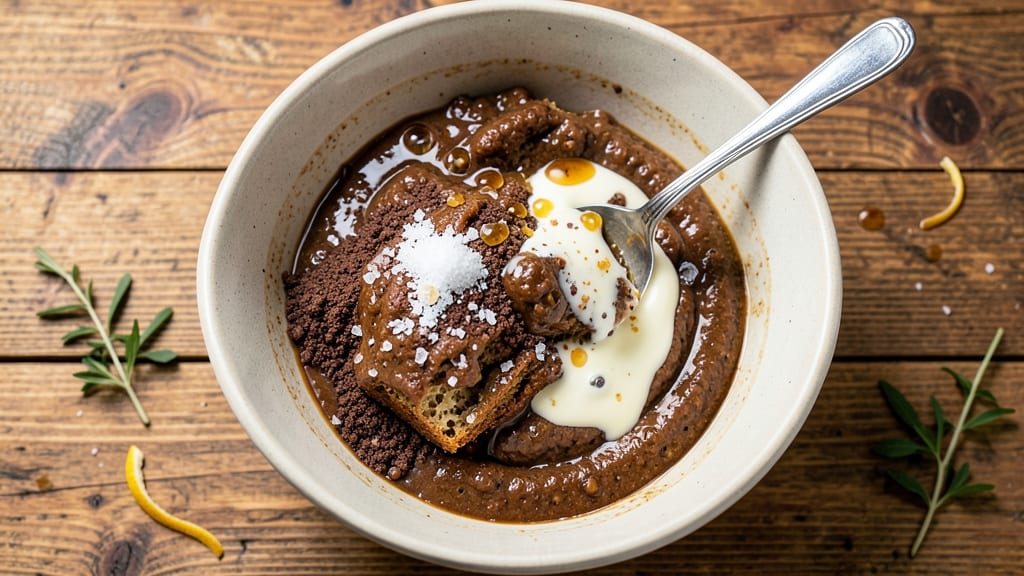
This authentic German rye bread recipe delivers the deep, tangy flavor and dense texture that defines Roggenbrot—no shortcuts, just tradition.
The secret lies in a robust sour dough starter (or a high-quality substitute) that develops complex fermentation flavors over 24 hours, while precise kneading and shaping create that signature crusty exterior with a tender, seedy crumb.
I’ve perfected this recipe through years of baking, ensuring every slice captures the heart of German bakery craftsmanship.
What sets this rye bread apart is its balanced sourness—not overpowering, but rich and authentic—achieved through a precise ratio of rye flour to wheat flour and a long fermentation.
The dough requires patience: a 4-hour bulk fermentation followed by a 12-hour cold proof, which deepens flavor and improves texture. Traditional German bakers swear by this slow process, and for good reason—it’s what makes the bread unforgettable.
By the time it emerges from the oven, you’ll have a loaf with a deep amber crust, fragrant with caramelized notes, and a crumb speckled with seeds and flecks of dark rye.
The aroma alone will transport you to a German bakery, while the first bite delivers that perfect balance of tangy, hearty, and slightly sweet—exactly what makes Roggenbrot a staple at German tables. This is bread that stands up to strong cheeses, cured meats, and even butter alone.
The best part? This recipe scales perfectly for home bakers—whether you’re making a single loaf or feeding a crowd. Once you master the fermentation and shaping, the rest is straightforward. Let’s get started on your journey to authentic German rye bread that tastes like it came from a Munich bakery.
Ingredients for authentic german rye bread
Four loaves of tradition—where German craftsmanship meets your kitchen counter.
| Ingredient | Amount | Notes |
|---|---|---|
| Active Sourdough Starter 🍞 | 1 ½ cups | 100% hydration, well-fed |
| Dark Rye Flour 🌾 | 3 cups | German-style, type 1150 |
| All-Purpose Flour 🌾 | 1 cup | For structure and rise |
| Whole Milk 🥛 | 1 ½ cups | Warmed to 85°F |
| Granulated Sugar 🍚 | ½ cup | For fermentation boost |
| Honey 🍯 | 1 tbsp | Dark variety for depth |
| Active Dry Yeast 🍞 | ½ tsp | Or 1 packet instant yeast |
| Salt 🧂 | 2 tsp | Diamond Crystal preferred |
| Flaxseeds 🌱 | ¼ cup | Whole, for crunchy crumb |
| Sunflower Seeds 🌻 | ¼ cup | Toasted for nuttiness |
| Sesame Seeds 🌿 | 2 tbsp | For traditional crunch |
| Cold Water 💧 | ½ cup | For final dough shaping |
| Cornmeal 🌽 | ¼ cup | For dusting baking sheet |
The sourdough starter is non-negotiable here. King Arthur or Bobs Red Mill rye flour delivers that deep, tangy profile—type 1150 is the gold standard for Roggenbrot. If you're short on time, a high-quality commercial starter like Annie's Sourdough Discard works, but nothing beats your own well-fed culture. For the seeds, bulk bins at Whole Foods or Trader Joe's offer the freshest options. Toast them lightly in a dry pan before adding—30 seconds max—just until fragrant. The milk should be warm enough to dissolve the sugar completely, but not hot enough to kill the yeast.
No dark rye flour? Substitute with a mix of whole wheat and white whole wheat—it won't be identical, but it'll get you closer. Running out of flaxseeds? Pumpkin seeds at half the amount work in a pinch, though they'll change the texture slightly. The honey can be swapped for maple syrup, but it'll add a different depth of sweetness. For the yeast, if you're using instant yeast, just skip the proofing step—sprinkle it right into the flour. The seeds are where you can get creative: poppy seeds or coriander add nice contrast, though traditionalists will argue for the classic trio of flax, sunflower, and sesame.
This dough is a marathon, not a sprint. Once mixed, cover with damp towel and let it rest 4 hours at room temp—75-80°F is ideal. After the bulk ferment, move it to the fridge for a 12-hour cold proof. The seeds keep best in the freezer for 6 months if you're prepping ahead. Shape the dough into a batard or boule—don't overhandle—and let it proof uncovered for 1-2 hours before baking. The bread reheats beautifully: 5 minutes at 300°F restores that bakery-fresh aroma. Store wrapped at room temp for 3 days, or freeze slices for 3 months—they'll stay fresh as the day they were baked.
Why You'll Love This Recipe
- No-Knead Magic: I’ll be real—this bread requires zero kneading, just a bowl, a spoon, and patience. The sourdough starter does all the heavy lifting while you sip coffee and scroll through your phone.
- Earthy & Sweet: That dark rye flour? It’s where the soul of this bread lives—deep, malty, with just enough sugar to balance the tang. Honestly, the first slice makes me pause mid-bite, like I’ve stumbled onto a secret.
- Weeknight Hero: Toss a few slices in the toaster for breakfast, or use them to soak up gravy at dinner. Between us, I’ve even made it into a quick open-faced sandwich with leftover ham—no judgment.
- Budget-Friendly Staple: A single batch feeds my family for days, and the milk and sugar keep it from tasting like cardboard. Plus, the starter? It’s free once you’ve got it going—just feed it scraps. Smart, right?
Step-by-step instructions for authentic German rye bread
Here's how to craft this traditional German loaf with its signature dark crust and nutty, seedy interior.
Prepare the Sourdough and Wet Ingredients
In a large mixing bowl, combine the 1.5 cups active sourdough starter, 1.5 cups warm whole milk, 0.5 cup granulated sugar, and 1 tablespoon honey. Stir until the sugar and honey dissolve completely—the mixture should be smooth with no grainy bits remaining. The warm milk helps activate the yeast in the sourdough while the honey adds subtle depth that balances the rye's earthiness.
Next, sprinkle the 0.5 teaspoon active dry yeast over the surface and let the mixture sit for 10 minutes. You'll notice small bubbles forming on top and along the sides—this indicates fermentation is beginning. If you don't see bubbles after 10 minutes, your kitchen might be too cold. Place the bowl in a warm spot (like near your oven with the light on) for another 5 minutes to encourage activity. This initial fermentation creates the bread's signature tangy flavor profile.
Mix the Dough and Incorporate Seeds
In a separate bowl, whisk together the 3 cups dark rye flour, 1 cup all-purpose flour, and 2 teaspoons salt. The all-purpose flour provides structure while the rye flour delivers that characteristic dense, hearty texture. Gradually add this dry mixture to your wet ingredients, mixing with a wooden spoon or dough whisk until just combined—you should still see some flour streaks, as overmixing develops gluten and makes the bread too dense.
Toast the 0.25 cup flaxseeds, 0.25 cup sunflower seeds, and 2 tablespoons sesame seeds in a dry skillet over medium heat for 3-4 minutes until fragrant and lightly golden. This toasting enhances their nutty flavors and prevents them from becoming mushy during baking. Let them cool slightly, then fold them into the dough along with the 0.5 cup cold water. The cold water helps firm up the dough slightly for easier handling, while the seeds become integral to the bread's signature crunchy texture.
Knead and Rest the Dough
Turn the dough onto a lightly floured surface and knead gently for 3-4 minutes until it comes together into a cohesive mass. German rye bread doesn't require extensive kneading—just enough to develop some structure while preserving the dense, moist crumb. Shape the dough into a round loaf and place it back in your mixing bowl. Cover with a damp towel and let it rest at room temperature for 1 hour. This initial rest allows the gluten to relax slightly and the flavors to meld.
After the rest, the dough should be noticeably more pliable and slightly puffy. If it feels too sticky, wet your hands slightly and shape it into a round again. The dough should hold its shape when gently pressed—this indicates it's ready for the next step. The resting period is crucial for developing the bread's complex flavor profile and ensuring proper texture.
Shape and Proof the Loaf
Lightly dust a baking sheet with 0.25 cup cornmeal and place the shaped dough on top. The cornmeal creates a barrier that prevents sticking and gives the bottom crust a slightly crisp texture. Using a sharp knife, make 4-5 deep cuts (about 1/2 inch deep) in the top of the dough. These cuts allow the bread to expand properly during baking and create that beautiful cracked crust characteristic of traditional German rye bread.
Cover the loaf again with a damp towel and let it proof in a warm place for 2-3 hours, or until it has nearly doubled in size. The proofing process should be gentle—you shouldn't see rapid expansion or large bubbles forming. When you press your finger gently into the dough, it should leave a slight indentation that slowly springs back. This indicates the dough has developed enough gas for proper rising but isn't overproofed. The proofed loaf should feel light yet still maintain its shape when gently lifted.
Bake to Perfection
Preheat your oven to 375°F with a baking stone or inverted baking sheet on the middle rack. The baking stone helps create steam during baking, which is essential for developing that crisp, dark crust. Once preheated, place your proofed loaf on the baking stone and bake for 45-50 minutes. The bread is done when the internal temperature reaches 190°F and the crust has turned a deep mahogany color with some dark spots.
For the final 5 minutes of baking, increase the oven temperature to 425°F. This broiling step caramelizes the sugars in the crust, enhancing its color and flavor. You'll know it's ready when the bread sounds hollow when tapped on the bottom and the crust is deeply cracked. Let the bread cool on a wire rack for at least 1 hour before slicing—this resting period allows the crumb to set properly and prevents a gummy texture.
Pro Tips For Making Authentic German Rye Bread
- STRETCH THE DOUGH: The German rye bread I grew up with has that signature chew—don’t rush the kneading or folding. After autolyse (mixing flour and water), do 3-4 sets of 30-second stretches and folds with the milk and starter. This develops gluten enough to hold the dense rye without turning gummy. (Yes, it feels like overkill, but trust the process.)
- WEIGH THE RYE FLOUR: Dark rye flour packs differently than all-purpose—spoon it into your scale, then level it off. I learned this the hard way when my first loaf turned out too dense; I was using volume measurements without accounting for the rye’s bulk. A 10% weight difference in rye flour changes the texture completely.
- STEAM THE OVEN: Preheat your Dutch oven with a metal bowl of boiling water on the bottom rack for 20 minutes before baking. The steam mimics a bakery’s oven and guarantees that thick, crackly crust German rye bread is known for. Skip this, and you’ll end up with a dry, flat top—no matter how much you score the dough.
- USE COLD MILK: Whole milk straight from the fridge makes a noticeable difference in the finished bread—it creates a lighter crumb without overfeeding the yeast. Warm it just enough to dissolve the sugar (about 30 seconds in the microwave), then let it cool to room temp before mixing. I was skeptical until I tried it; the crumb is almost airy compared to using warm milk.
Serving suggestions for this recipe
Breakfast Pairings
Start your day with this rye bread as the base for a German-style breakfast platter. Spread thick slices with butter from Braunschweig Land (or any high-fat European butter) and top with smoked salmon and fresh dill.
For a heartier option, layer with creamy Brie cheese, sliced apple, and a drizzle of honey from Bavaria. The bread’s dense texture holds up perfectly to these rich toppings without becoming soggy. 🍳
Cheese and Charcuterie
This bread is a charcuterie MVP—its dense crumb pairs beautifully with aged cheeses and cured meats. Serve with German Tilsiter, sharp Münster cheese, and prosciutto or salami. Add pickled vegetables (like cornichons or red cabbage) for acidity that cuts through the richness.
For a sweet contrast, include dark chocolate (at least 70% cacao) and walnuts. The seeds in the bread add texture that elevates every bite.
Soup and Stew Companion
Nothing complements German soups like this rye bread. Dip thick slices into creamy Käsespätzle or hearty Linsensuppe (lentil soup)—the bread’s crust soaks up the broth while the dense interior holds its shape.
For a lighter option, serve with cold Gurkensuppe (cucumber soup) and a smear of herbed cream cheese. The bread’s slight tanginess balances the richness of soups, making each bite feel intentional. 🥄
Butter and Jam
At its simplest, this bread shines with just butter and jam. Use unsalted European-style butter (like Plugrá) and pair with blackcurrant jam or quince paste for a taste of Germany. For a modern twist, try fig jam with a sprinkle of flaky sea salt.
The bread’s nutty seeds add crunch that contrasts beautifully with the soft jam, making it a perfect afternoon snack or dessert-like treat.
Sandwiches with German Flair
Build open-faced sandwiches with this bread as the star. Layer with roasted pork shoulder, caramelized onions, and gruyère cheese, then broil until the cheese melts. For a vegetarian option, pile on sautéed mushrooms, caramelized red cabbage, and crème fraîche.
The bread’s dense texture holds up to all these toppings without falling apart, making it ideal for lunch or dinner. 🥪
Bread Service Etiquette
In Germany, rye bread is often served whole and shared at the table. Place the loaf on a wooden board with a serrated knife for slicing—this keeps the bread’s texture intact. Serve with butter in a small dish and jam in a bowl for guests to assemble their own plates.
The crust should be crisp, so encourage guests to break off pieces rather than slice through the crumb. This tradition keeps the bread’s authentic character intact while making it a centerpiece for any meal.
Nutrition facts
Frequently asked questions
Can I make this rye bread without a sourdough starter?
Yes, but the flavor won't be identical. For a commercial substitute, use 1.5 cups of high-quality rye bread starter (like Annie's Sourdough Discard) or replace the starter with 1 packet (2.25 tsp) active dry yeast plus 1 cup warm water. The yeast version will be less tangy but still delicious. For best results, let the dough ferment 6-8 hours at room temperature instead of the usual 4 hours to develop some depth of flavor.
Why does my German rye bread turn out too dense?
Over-kneading or skipping the rest periods are the most common culprits. Rye dough develops gluten differently than wheat—only knead until cohesive (3-4 minutes). Also ensure your starter is active (bubbly) and don't skip the 1-hour rest after mixing. If using all rye flour, add 1/2 cup more all-purpose flour for better structure. The 12-hour cold proof is also crucial for proper texture.
How do I store leftover rye bread to keep it fresh?
Wrap cooled slices tightly in plastic wrap and store at room temperature for 3 days. For longer storage, freeze slices in a sealed bag for up to 3 months. To revive, warm in a 350°F oven for 5-7 minutes or toast in a dry pan. Never refrigerate—this makes rye bread stale faster. The seeds stay crunchy best when stored this way.
What's the difference between dark rye flour and regular rye flour?
Dark rye flour (type 1150) contains more bran and germ, giving it a deeper color and stronger flavor. Regular rye flour is lighter and milder. For this recipe, dark rye provides that authentic German Roggenbrot taste and color. If you only have light rye, mix it with 1/2 cup whole wheat flour for better results. The dark version also has more nutrients and a slightly nuttier profile.
Can I make this recipe in a Dutch oven?
The Dutch oven's steam helps create an even better crust. Preheat your oven with the Dutch oven inside for 30 minutes at 450°F. Transfer the shaped loaf to the hot Dutch oven, cover, and bake for 30 minutes. Then remove the lid and bake 15-20 minutes more until deeply browned. The result will have a crispier bottom crust and more even color all around.