
Side Dishes
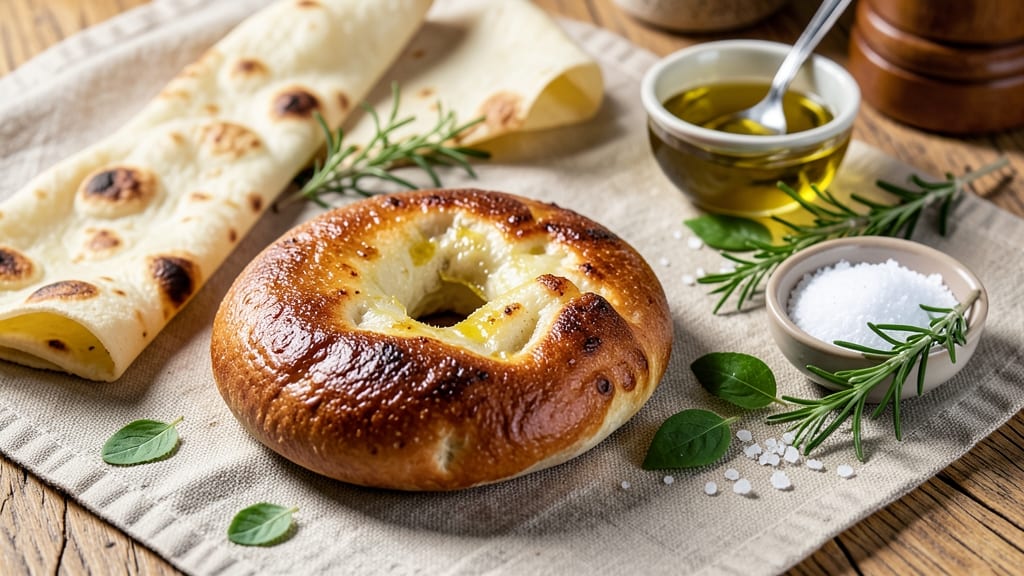
This authentic Turkish bread recipe brings the warm, chewy layers of Istanbul's street markets straight to your kitchen. 🔥 The secret lies in a simple yet precise dough—just flour, yeast, water, salt, and olive oil—kneaded and shaped by hand for that signature texture. Unlike store-bought versions, this method delivers a tender crumb with a crispy crust, perfect for dipping in olive oil or serving alongside mezes.
What sets this recipe apart is the traditional shaping technique: rolling the dough into a thick rope, then folding it into a spiral before baking. This creates those iconic flaky layers that make Turkish bread irresistible.
The dough rests overnight for maximum flavor development, ensuring a light, airy texture that's impossible to resist. No special equipment is needed—just patience and a hot oven or griddle.
By the time it emerges from the oven, you'll have golden-brown bread with a crisp exterior and a soft, pillowy interior. The aroma alone will have everyone gathering around the table.
This is the kind of bread that disappears faster than you can say "simit," making it perfect for breakfast, snacking, or sharing with guests.
The best part? This recipe scales effortlessly—double the dough for a crowd or keep it small for a cozy meal. Whether you're making classic pide, sesame-topped simit, or herb-infused lavash, the foundation is the same. Let's get started on your first batch!
Ingredients for authentic turkish bread
Four cups flour, a pinch of yeast, and patience—this is your Turkish bread shortcut to Istanbul's streets.
| Ingredient | Amount | Notes |
|---|---|---|
| All-Purpose Flour 🌾 | 4 cups | High-protein preferred for chewiness |
| Active Dry Yeast 🍞 | ¼ oz | Or 2.5 tsps, fresh preferred |
| Granulated Sugar 🍚 | 1 tbsp | Feeds yeast for activation |
| Warm Water 💧 | 1 ¼ cups | 110°F (43°C) ideal temperature |
| Extra-Virgin Olive Oil 🫒 | ½ cup | Fruity variety for authentic flavor |
| Kosher Salt 🧂 | 1 ½ tsp | Diamond Crystal preferred |
| Sesame Seeds 🌾 | ¼ cup | Toasted for simit topping |
| Honey 🍯 | 1 tbsp | For egg wash alternative |
The flour is non-negotiable here—King Arthur or Caputo Tipo 00 give the best results, but Bob's Red Mill all-purpose works in a pinch (just add 1 extra tbsp). Yeast is your magic ingredient, so check the expiration date—old yeast won't activate properly. For the olive oil, Trader Joe's or Whole Foods carry that fruity, peppery variety that makes all the difference. Toast your sesame seeds in a dry pan for 30 seconds until golden—no need to watch closely, just listen for the popping. The honey should be raw and unfiltered for that authentic touch.
No sesame seeds? Poppy seeds or everything bagel seasoning works for a different flavor profile. Running low on yeast? Active dry yeast packets from the baking aisle are foolproof—just make sure they're not expired. The dough needs to rest overnight, but if you're short on time, let it rise for 8-12 hours at room temperature. For shaping, flour your hands generously—this stuff sticks like glue. The honey wash? Skip it if vegan, just brush with olive oil instead. And if your kitchen gets chilly, place the dough bowl on top of the fridge to keep it warm during the rise.
Dough keeps 3 days in the fridge, wrapped tightly in plastic—freeze portions for up to 3 months if you're making a big batch. The baked bread? Eat within 2 days for maximum chewiness, or freeze slices for 1 week. Pro tip: Store baked bread in a paper bag to keep it soft longer. Double the dough? Use two loaf pans or a pizza stone—just shape them smaller. And if you're feeling fancy, add nigella seeds to the dough for a Middle Eastern twist.
Why You'll Love This Recipe
- Pantry Staples Only: I swear by this recipe because it uses exactly what’s already in my cabinets—no specialty trips or fancy ingredients. That yeasty, olive oil-kissed dough comes together with flour, sugar, and water, and honestly? It’s the kind of simplicity that makes me feel like I’ve just discovered a secret.
- Crispy-Chewy Magic: The moment that golden crust cracks under your fingers? That’s the payoff. The outside gets perfectly crisp while the inside stays soft and pillowy—no dry, sad bread here. Between us, the olive oil finish makes it taste like you actually put in effort (even if you didn’t).
- Weeknight Hero: This bread is my go-to when I’m too tired to bake but still crave something warm. Toss it in a basket while dinner simmers, and boom—fresh, fragrant bread with zero fuss. (Yes, even on a Tuesday night when you’d rather microwave leftovers.)
- Budget-Friendly Feast: A single batch feeds four, and the ingredients cost pennies. Freeze extras for lazy mornings or toss them into soups later—no waste, all flavor. I’ll be real: it’s the kind of recipe that makes me feel like I’m treating myself without breaking the bank.
Step-by-step instructions for authentic Turkish bread
Here's how to make simit with that signature chewy texture and toasted sesame crunch.
👨🍳 Step 1: Activate the Yeast and Mix the Dough
In a large bowl, combine the 1.25 cups warm water (tested at 110°F) with the 1 tbsp granulated sugar and 0.25 oz active dry yeast. Let this sit for 5-10 minutes until frothy—this means your yeast is alive and ready to work. I always check for bubbles before proceeding.
Once bubbly, add the 4 cups all-purpose flour and 1.5 tsp kosher salt to the bowl. Mix with a wooden spoon until a shaggy dough forms. Then add the 0.5 cup extra-virgin olive oil and mix again until everything comes together. The dough will be sticky but shouldn't be wet—if it is, add 1-2 tablespoons more flour.
🍳 Step 2: Knead Until Silky and Elastic
Turn the dough onto a lightly floured surface and knead for 8-10 minutes until smooth and elastic. I press down hard with the heel of my hand, then fold the dough over itself and push forward—this develops the gluten that gives simit its signature chewiness. The dough should be soft but not sticky when you're done.
If it feels too dry, dampen your hands slightly and continue kneading. If it's too sticky, add 1 tablespoon flour at a time. Once smooth, shape the dough into a ball, lightly oil it, and place it in a clean bowl. Cover with a damp towel and let rise in a warm place for 1-2 hours or until doubled in size.
🔥 Step 3: Shape the Simit and Second Rise
Punch down the risen dough to release air, then divide it into 4 equal pieces. Roll each piece into a 20-inch long rope about 1-inch thick. To shape, pinch the ends together to form a ring, then gently stretch the ring into an oval shape—this creates the classic simit loop. Place on a floured baking sheet and cover with a damp towel.
Let the shaped simit rise for another 30-45 minutes until puffy. Here's the thing—don't skip this second rise. It's what gives simit that airy, fluffy interior. I like to preheat my oven to 350°F while the simit rises so it's ready when they're puffed and ready to bake.
🔪 Step 4: Add Honey Wash and Toast the Seeds
Just before baking, brush each simit with 1 tbsp honey diluted with 1 teaspoon water—this gives that classic shiny finish. While the honey is still wet, press the 0.25 cup sesame seeds firmly onto the top of each simit. Use your fingers to create the characteristic crisscross pattern.
Toast the sesame seeds in a dry skillet over medium heat for 2-3 minutes until golden and fragrant. This adds incredible depth of flavor to your simit. Sprinkle the toasted seeds over the honey-washed simit just before baking for maximum crunch.
🔥 Step 5: Bake to Golden Perfection
Bake the simit in the preheated 350°F oven for 18-22 minutes until deep golden brown and firm to the touch. The edges should be crisp while the center remains soft and pillowy. I like to rotate the baking sheet halfway through for even browning—this prevents any one side from burning.
For that authentic Turkish touch, finish by brushing the baked simit with a little more honey while still warm. Let cool on a wire rack for 10 minutes before serving. The contrast of warm, chewy bread with that toasted sesame crunch is what makes simit so special—worth every minute of the process!
Pro Tips For Making Authentic Turkish Bread
- Test Yeast First: Mix a teaspoon of yeast with warm water and a pinch of sugar—wait 5-10 minutes for it to bubble like champagne. If it doesn’t, your bread’s rising will be sluggish, no matter how long you wait. I learned this the hard way when a batch of bread took three hours to double instead of one.
- Knead Less, Stretch More: Turkish bread doesn’t need punishing kneading—just 5-7 minutes by hand until smooth. After the first rise, wet your hands and gently stretch the dough in all directions to build strength. Over-kneading makes it tough, and no one wants that.
- Skip the Sugar Shortcut: That pinch of sugar isn’t just for flavor—it’s what wakes up the yeast. If you’re using honey or maple syrup instead, reduce it by half; too much can make the dough rise too fast and collapse. I used to skip it entirely and wondered why my bread tasted flat.
- Heat the Pan Properly: Get your cast-iron or skillet screaming hot—water should sizzle violently when you add it. If it’s just warm, the bread will steam instead of crisp up. Let it heat for 5 minutes on high before adding the dough, even if you’re impatient (yes, even if you’re impatient like me).
Wine and beer pairings for this recipe
Turkish Wine Pairings
Pair your homemade simit with a crisp Turkish white wine like Narince from the Thrace region. This aromatic wine, with its citrus and floral notes, complements the sesame and honey flavors beautifully.
For a bolder option, try Öküzgözü, a red blend that stands up to the bread's rich, chewy texture—especially if you've added nigella seeds to your dough. 🍷
Beer Complements
A light Turkish lager like Efes Pilsen cuts through the sesame crunch and honey sweetness without overpowering. For craft beer lovers, a Belgian witbier with its peppery, citrusy profile provides an interesting contrast. Avoid heavy stouts or IPAs—they'll clash with the delicate flavors of simit. 🍺
Traditional Turkish Tea
No Turkish meal is complete without çay, the strong black tea served in small glasses. The tannins in the tea cleanse your palate between bites of simit, enhancing the bread's natural flavors.
For an extra touch, serve it with rakı, a Turkish anise-flavored spirit, if you're celebrating with friends. 💛
Olive Oil Dipping
While not a beverage, a simple extra-virgin olive oil dip with a sprinkle of flaky sea salt is a must. The fruity notes of the oil enhance the bread's texture, making every bite even more satisfying.
I like to use the same Trader Joe's olive oil I use in the dough for consistency. 🫒
Spiced Coffee Pairing
For a traditional Turkish experience, serve simit with Turkish coffee—its rich, cardamom-infused flavor balances the bread's sweetness. The finely ground coffee and slow brewing method create a velvety texture that pairs perfectly with the crispy crust of your simit. ☕
Regional Variations
In Izmir, locals often pair simit with ayran, a yogurt-based drink with a refreshing tartness. For a modern twist, try Turkish mint tea—its herbal notes complement the sesame seeds beautifully.
Each region has its own tradition, but the key is balancing the bread's richness with something light and refreshing. 🌿
Nutrition facts
Frequently asked questions
Why does Turkish bread need an overnight rise?
The overnight rise is what creates that signature light, airy texture. The slow fermentation allows the yeast to work gently, developing complex flavors while creating tiny air pockets that make the bread incredibly tender. This traditional method mimics how Turkish bakers prepare dough for fresh morning bread.
Can I make this without sesame seeds?
While sesame seeds are traditional, you can substitute with poppy seeds, nigella seeds, or even everything bagel seasoning. For a completely seed-free version, simply skip the topping and enjoy the bread as-is. The flavor will still be delicious—just without the crunchy texture.
What's the best way to reheat Turkish bread?
For maximum crispiness, reheat in a 350°F oven for 5-7 minutes on a baking sheet. If you need it faster, use a toaster oven or air fryer at 375°F for 2-3 minutes. Never microwave—it makes the bread rubbery. For extra flavor, brush with olive oil before reheating.
How do I know when the dough is properly kneaded?
The dough is ready when it's smooth, elastic, and springs back slowly when poked. Perform the "windowpane test"—stretch a small piece until it's translucent like a windowpane. If it holds without tearing, your gluten development is perfect. This usually takes 8-10 minutes of kneading.
Can I make this recipe without yeast?
Not for this traditional version—yeast is essential for the light, airy texture. However, you could make a flatbread version by omitting the yeast and baking immediately, but it won't have the same chewy layers. For a yeast-free alternative, try a Turkish flatbread recipe with baking powder instead.