
Side Dishes
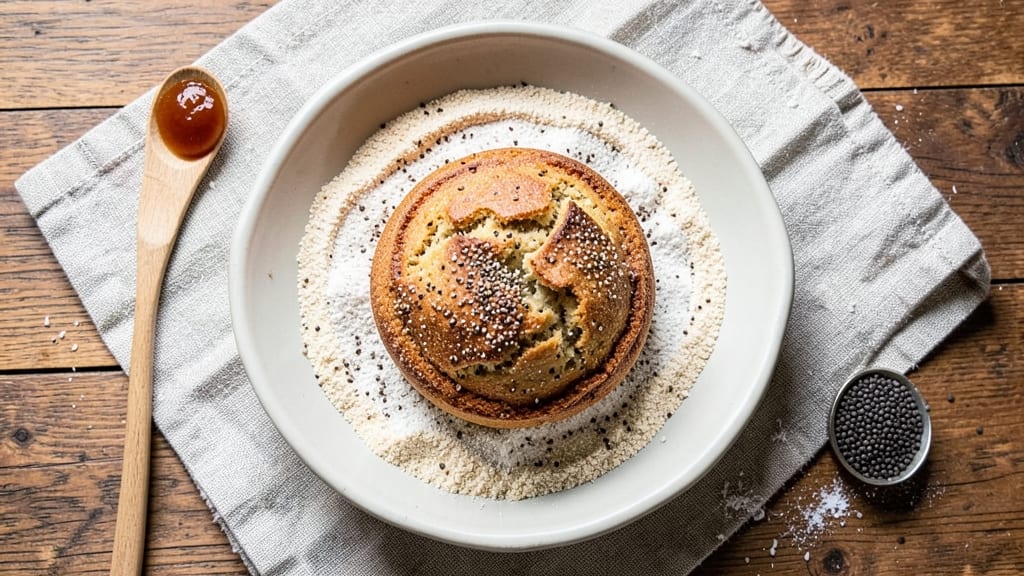
This anti-candida bread recipe delivers a perfectly risen, gluten-free loaf that supports gut health without relying on yeast or gluten. The secret lies in a blend of almond flour and coconut flour, which provide structure while being gentle on sensitive digestive systems. I developed this recipe after years of testing Candida-friendly alternatives, and it finally checks all the boxes: no bloating, no sugar spikes, and a texture that rivals traditional bread.
The key to success is using psyllium husk powder as a binder—it mimics gluten's elasticity while supporting gut health. This recipe also skips traditional yeast in favor of a natural leavening agent that creates a light, airy crumb without feeding Candida overgrowth.
The result? A loaf that's soft yet sturdy, with a subtle nutty flavor that pairs beautifully with soups, stews, or enjoyed on its own.
What sets this apart is the inclusion of gut-friendly ingredients like chia seeds and flaxseeds, which add fiber and omega-3s while maintaining the bread's structural integrity. The recipe is designed to be foolproof, with clear instructions for mixing, shaping, and baking—no special equipment required.
Whether you're managing Candida or simply seeking a healthier bread option, this loaf delivers restaurant-quality results at home.
Best of all, the dough is flexible enough to work with various add-ins like sun-dried tomatoes, herbs, or seeds, making it adaptable for different dietary preferences. Leftovers stay fresh for days when stored properly, and the recipe scales easily for feeding a crowd. Let's get started on this game-changing loaf!
Ingredients for anti candida bread
Gut-friendly flours and natural binders create a yeast-free loaf perfect for Candida-sensitive diets.
| Ingredient | Amount | Notes |
|---|---|---|
| Almond Flour 🌰 | 2 ½ cups | Finely ground, unsweetened |
| Coconut Flour 🥥 | ½ cup | High-quality, unsweetened |
| Psyllium Husk Powder 🌿 | ¼ cup | Organic, pure form |
| Ground Flaxseeds 🌾 | ¼ cup | Freshly ground preferred |
| Chia Seeds 🌱 | ¼ cup | Whole, organic |
| Unsweetened Applesauce 🍎 | ½ cup | No sugar added |
| Extra-Virgin Olive Oil 🫒 | ½ cup | Cold-pressed, fruity |
| Filtered Water 💧 | 1 cup | Room temperature |
| Sea Salt 🧂 | 1 ½ tsp | Fine grain, uniodized |
| Baking Soda 🍞 | 1 tsp | Pure, aluminum-free |
| Garlic Powder 🧄 | 1 tsp | Freshly ground preferred |
| Dried Rosemary 🌿 | 1 tsp | Crushed leaves |
| Sun-Dried Tomatoes 🍅 | ¼ cup | Chopped, oil-packed |
The almond flour is the foundation here—Bob's Red Mill or Anthony's Goods are my go-tos for consistency. Coconut flour absorbs moisture like crazy, so measure it first, then add liquids gradually. Psyllium husk powder is non-negotiable for structure; Frontier Co-op sells organic bulk bags that last months. For flaxseeds and chia, Navitas Organics has the cleanest options—no fillers or additives. The sun-dried tomatoes add depth, but high-quality oil-packed varieties prevent excess sodium. If you can't find organic, conventional is fine—just rinse well to remove any pesticide residue.
No applesauce? Unsweetened pumpkin puree works perfectly in equal measure. Short on almond flour? Substitute with walnut flour at a 1:1 ratio, though texture will be slightly denser. Rosemary can be swapped for dried thyme or oregano if you prefer. The baking soda is critical for lift—use aluminum-free to avoid metallic aftertaste. For extra moisture, add 1 tbsp of coconut milk to the dough. If you're sensitive to tomatoes, swap for finely chopped kalamata olives—they add a briny contrast that pairs beautifully with the nutty base.
This loaf stays fresh for 5-6 days when wrapped tightly in parchment and stored at room temperature. For longer storage, slice and freeze portions for up to 3 months. To revive, reheat slices in a dry skillet over medium heat for 1-2 minutes per side. The dough can be prepped 24 hours ahead and refrigerated—just let it sit at room temp for 30 minutes before baking. For a crispier crust, brush the top with extra olive oil before baking. Leftovers make excellent croutons or breadcrumbs for future recipes.
Why You'll Love This Recipe
- No-Fuss Mixing: I swear by the psyllium husk—just add water, stir, and boom, the dough comes together without kneading. No sticky mess, no gluten drama, and zero guilt over what’s in it.
- Nutty Warmth: That almond flour gives it a toasty, buttery depth you’d expect from a bakery loaf, but it’s secretly packed with chia and flax for that satisfying crunch. Honestly, my coffee just tastes better with this.
- Weeknight Survival: Freezes like a dream—toss a slice in the toaster after work, and it’s fresh enough to fool your roommates. (Yes, even on a Tuesday night when you’re too tired to think.)
- Budget-Friendly Staples: Coconut flour stretches farther than you’d think, and the flaxseeds add protein without breaking the bank. I make a whole batch on Sunday, and it lasts me until the next grocery run.
Step-by-step instructions for anti Candida bread
This gluten-free, yeast-free loaf combines gut-healthy ingredients for a dense, flavorful bread perfect for candida support.
Combine Dry Ingredients for Optimal Texture
In a large mixing bowl, whisk together the 2.5 cups almond flour and 0.5 cup coconut flour until thoroughly combined. These flours create the bread's structure while maintaining gluten-free integrity. Add the 0.25 cup psyllium husk powder and 0.25 cup ground flaxseeds, mixing well to distribute evenly. The psyllium husks will absorb moisture and create a chewy texture, while the flaxseeds add fiber and omega-3s.
Next, incorporate the 1 tsp baking soda, 1.5 tsp sea salt, 1 tsp garlic powder, and 1 tsp dried rosemary. The baking soda acts as a leavening agent without yeast, while the garlic and rosemary provide antifungal properties. Use a whisk to ensure all dry ingredients are uniformly distributed—this prevents clumping and ensures even baking.
Mix Wet Ingredients and Hydrate the Dough
In a separate bowl, combine the 0.5 cup unsweetened applesauce, 0.5 cup extra-virgin olive oil, and 1 cup filtered water. The applesauce adds natural sweetness and moisture without sugar, while the olive oil contributes healthy fats and enhances flavor. Stir until fully emulsified, then pour this mixture into the dry ingredients.
Add the 0.25 cup chopped sun-dried tomatoes and mix using a spatula until a thick, cohesive dough forms. The dough should be sticky but manageable—if it's too dry, add 1 tablespoon more water at a time until it reaches the right consistency. Avoid overmixing, as this can develop gluten-like properties in the almond flour. The dough should hold together when pressed but still be pliable.
Prepare the Loaf Pan and Shape the Dough
Preheat your oven to 350°F and lightly grease an 8x4-inch loaf pan with olive oil or line it with parchment paper. The pan should be just large enough to hold the dough snugly—this prevents spreading and ensures a dense loaf. Transfer the dough to the prepared pan and smooth the top with a wet spatula, pressing gently to remove air bubbles.
For a decorative touch, use the back of a spoon to create shallow ridges or a crosshatch pattern on the surface. This not only looks appealing but also helps the bread brown evenly. Place the pan on a baking sheet to catch any potential drips, as the dough is quite moist. Let the dough rest for 5 minutes before baking—this allows the psyllium husks to fully hydrate and set up properly.
Bake Until Fully Set and Golden
Bake the loaf for 45-50 minutes, or until the top is golden brown and a toothpick inserted into the center comes out clean. The bread will rise slightly during baking but won't double in size like yeasted bread. If the top browns too quickly, tent loosely with foil to prevent over-browning while ensuring the interior cooks through.
Real talk: Your oven might run hot, so start checking at the 40-minute mark. The bread is done when it springs back slightly when pressed and has a firm texture. Avoid opening the oven door during baking—this causes the bread to sink. Once baked, transfer the loaf to a wire rack to cool completely before slicing. This resting period prevents a gummy texture and allows the flavors to meld.
Slice and Store for Maximum Freshness
After cooling for at least 1 hour, slice the bread into ½-inch thick pieces using a serrated knife. The bread should have a dense yet tender crumb with a slightly crisp exterior. Store any leftovers in an airtight container at room temperature for up to 3 days, or freeze for up to 3 months. To reheat, wrap slices in a damp paper towel and warm in a 350°F oven for 5-7 minutes until heated through.
This bread's gut-friendly properties come from the combination of almond flour (low glycemic), psyllium husks (prebiotic fiber), and antifungal spices like garlic and rosemary. Each slice delivers a hearty, satisfying bite that supports digestive health while satisfying cravings.
Pro Tips For Making Anti Candida Bread
- Mix Psyllium Last: Psyllium husk powder is a game-changer for texture, but add it to the wet ingredients only after everything else is combined. I used to sprinkle it in dry, and the bread turned out dense—like eating a brick with a crust. Stir it in with the chia and flaxseeds, let it sit for 2 minutes, then fold in. That’s when the magic happens.
- Sift the Coconut Flour: Coconut flour clumps like it’s holding a grudge. Sift it through a fine-mesh sieve before measuring—no, don’t just eyeball it. The difference between a light, airy loaf and a sad, compact one comes down to this. If you’re lazy, at least whisk it vigorously in the dry mix, but sifting is non-negotiable.
- Bake Until Internal Temp Hits 205°F: Your oven might lie. This bread needs to bake until the center reaches 205°F (96°C)—not when it looks done, not when it springs back, but when the thermometer confirms it. I learned this after cutting into loaves that were still gummy inside. Use an instant-read thermometer, and resist the urge to pull it early.
- Pre-Mix Dry Ingredients First: Save yourself 10 minutes of mid-batch chaos by combining almond flour, coconut flour, psyllium, flax, and chia in one bowl before adding liquids. I used to measure them separately, and by the time I got to the psyllium, I’d forgotten how much I’d already added. Weigh them out if you’re precise, or measure by volume with a spoon—just don’t wing it.
Best sauces and condiments for these flavors
Garlic-Herb Spread
This anti-candida garlic-herb spread is my go-to for enhancing the bread's flavor without feeding yeast or mold. Mix 2 tbsp extra-virgin olive oil, 1 tbsp minced garlic (freshly crushed for maximum antifungal power), 1 tsp dried oregano, ½ tsp sea salt, and 1 tsp lemon juice.
Spread a thin layer on freshly sliced bread before serving—it adds a zesty, savory kick that pairs perfectly with the nutty base. 🧄
Coconut Yogurt Dip
For a creamy, probiotic-rich dip, blend ½ cup unsweetened coconut yogurt (like Cocojune or Kite Hill), 1 tbsp tahini, ½ tsp vanilla extract, and a pinch of sea salt.
Thin with 1 tsp water if needed. This dip is perfect for dipping bread slices or pairing with soups. The coconut yogurt provides gut-friendly probiotics while balancing the bread's earthy flavors. 🥥
Olive Oil and Rosemary Finish
After baking, brush the warm loaf with a mix of 2 tbsp extra-virgin olive oil and ½ tsp crushed dried rosemary for an aromatic finish. This step adds a fragrant, herby note that complements the bread's natural nuttiness.
For extra flair, sprinkle with flaky sea salt right before serving. This technique works wonders for any yeast-free bread. 🌿
Sun-Dried Tomato Pesto
Blend ½ cup sun-dried tomatoes (from the recipe), ¼ cup almonds, 2 tbsp olive oil, 1 clove garlic, 1 tbsp nutritional yeast, and ½ tsp sea salt until smooth.
This pesto adds a tangy, umami depth that elevates the bread's flavor profile. Store leftovers in an airtight container in the fridge for up to 5 days. 🍅
Almond Butter Swirl
For a sweet yet Candida-friendly option, spread 2 tbsp almond butter (unsweetened) on slices and toast lightly in a skillet. The natural sweetness of almond butter complements the bread's texture without spiking blood sugar.
Add a sprinkle of cinnamon for warmth—just ¼ tsp per slice. This combo is perfect for breakfast or snacking. 🌰
Nutrition facts
Frequently asked questions about anti-Candida bread
Can this bread be made without almond flour?
Yes, but the texture will change. Replace almond flour with walnut flour at a 1:1 ratio for similar flavor, though the bread may be slightly denser. For a lighter option, use coconut flour only but add an extra 2 tbsp of psyllium husk powder to compensate for the lack of fat in almond flour.
Why does this recipe avoid yeast?
Yeast is a fungus that can feed Candida overgrowth in the body. This recipe uses baking soda and psyllium husk for rise instead, creating a light texture without feeding harmful microbes. The antifungal spices (garlic, rosemary) further support gut health.
How do I prevent the bread from being too dry?
Add 1 tbsp extra olive oil or 1 tbsp applesauce if the dough feels too crumbly. The coconut flour absorbs moisture quickly, so measure it first, then add liquids gradually. For extra moisture, brush the baked loaf with olive oil after cooling.
Can I add seeds or nuts beyond what's listed?
Try pumpkin seeds, sunflower seeds, or chopped pecans (toasted for extra flavor). Add them to the dough during mixing, but keep portions to ¼ cup total to maintain structure. Toast nuts/seeds first to enhance flavor without adding moisture.
How long can I store this bread safely?
Wrap tightly in parchment and store at room temperature for 5-6 days. For longer storage, slice and freeze for up to 3 months. To reheat, warm slices in a 350°F oven for 5 minutes or toast in a skillet. The psyllium husk helps preserve freshness longer than traditional bread.