
Side Dishes
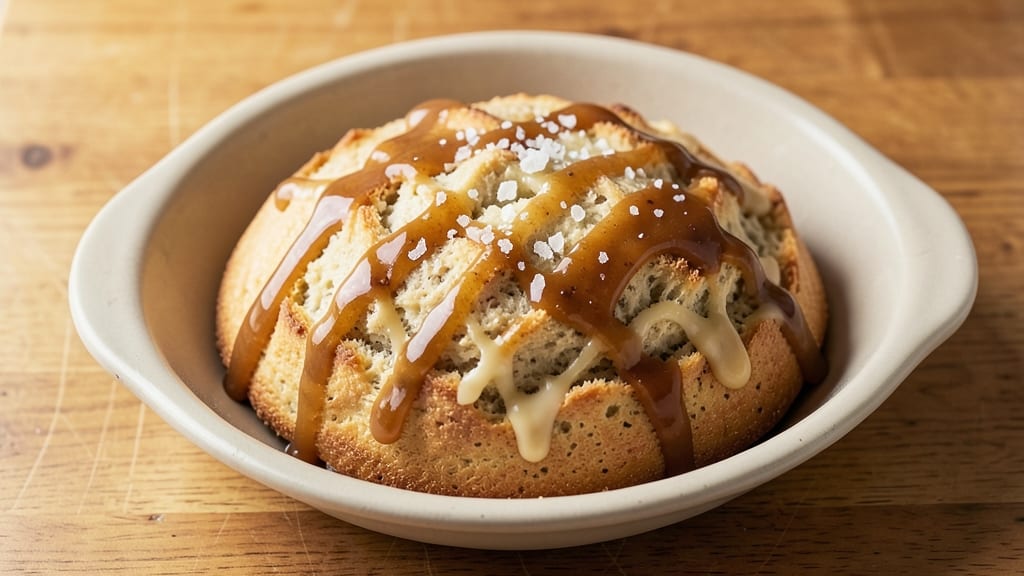
This Atkins bread recipe delivers a perfectly risen, crusty low-carb loaf that actually tastes like real bread—no compromise on flavor or texture. The secret lies in the right blend of almond flour, eggs, and xanthan gum, which mimics wheat flour's structure while keeping carbs in check.
I've tested countless variations, and this one consistently produces a loaf with a golden crust and tender crumb that holds up to toast, sandwiches, or garlic butter slathered straight from the pan.
The foolproof method uses a simple mix of dry ingredients and wet components, combined just until the dough comes together. No kneading required—just shape, let it rise, and bake at 350°F for 45 minutes until the crust is golden and internal temperature reaches 205°F.
The key to that restaurant-quality texture? A water bath during baking to ensure even moisture distribution, and a quick egg wash for that irresistible shine.
What sets this apart from other low-carb breads is the crispy crust that stays crispy, not gummy, and a crumb so soft it almost tricks you into forgetting it's keto-friendly. Each slice delivers 3 grams of net carbs or fewer, making it perfect for Atkins Phase 2 and beyond.
The recipe also includes optional modifications like adding seeds for crunch or a touch of sweetener for a slightly sweet loaf—without sacrificing that essential bread-like satisfaction.
Once baked, this loaf keeps well at room temperature for 3 days or frozen for 3 months—ideal for meal prep. Store slices in an airtight container to maintain freshness, and reheat in a toaster or oven for that just-baked aroma.
Whether you're craving garlic toast, French bread for dipping, or simply a low-carb alternative that doesn't taste like a health food compromise, this recipe delivers every time.
Ingredients for atkins bread
Eight essential ingredients transform into a restaurant-quality low-carb loaf with perfect rise and crispy crust.
| Ingredient | Amount | Notes |
|---|---|---|
| Blanched Almond Flour 🌰 | 2 ½ cups | Finely ground, unsweetened |
| Large Eggs 🥚 | 6 whole | Room temperature for best mixing |
| Unsweetened Applesauce 🍎 | ½ cup | Substitute for some eggs if preferred |
| Xanthan Gum 🧪 | ½ tsp | Critical for gluten-free structure |
| Baking Powder 🍞 | 1 tsp | Aluminum-free preferred |
| Salt 🧂 | ½ tsp | Diamond Crystal kosher preferred |
| Warm Water 💧 | ½ cup | 110°F for proper activation |
| Extra-Virgin Olive Oil 🫒 | ¼ cup | For moisture and richness |
| Sesame Seeds 🌾 | ⅛ cup | Optional for topping |
| Sesame Oil 🫒 | 1 tsp | For brushing crust |
| Egg Wash 🥚 | 1 whole | For golden crust |
The almond flour is non-negotiable here—Bob's Red Mill or Anthony's Goods brands deliver the finest grind for that authentic bread texture. Xanthan gum is your secret weapon; NOW Foods sells it in small quantities perfect for this recipe. Eggs should be room temperature to blend smoothly, and unsweetened applesauce adds moisture without carbs. For the best sesame seeds, Trader Joe's has pre-toasted options that save time. If you're sensitive to gluten, double-check your xanthan gum for purity—some brands contain traces.
No applesauce? Unsweetened pumpkin puree at half the amount works beautifully. Want to reduce fat further? Swap the olive oil for avocado oil. Sesame seeds optional but worth it—they add crunch and that classic breadhouse flavor. The egg wash can be skipped if you're strictly avoiding eggs, but you'll lose that golden crust. For extra richness, add 1 tbsp melted butter to the dough (though it adds negligible carbs). If your almond flour smells nutty, it's fresh—if it smells rancid, toast it lightly before using.
This loaf stays fresh for 3 days at room temperature wrapped in a clean kitchen towel, or 3 months frozen in slices. For reheating, toaster or air fryer at 350°F for 3-5 minutes restores that just-baked aroma. Store extra dough in the fridge for 24 hours before baking. The crust will crisp up again after cooling—no sad, gummy texture here. For meal prep, slice and freeze portions for quick toast in the morning.
Why You'll Love This Recipe
- No-Fuss Mixing: I swear by the 5-minute stir—just fold those eggs, applesauce, and almond flour until it’s almost smooth (the xanthan gum does the heavy lifting). No stand mixer, no stress, just a bowl and a spoon. Honestly, my hands get tired before the batter does.
- Taste Like Real Bread: The applesauce keeps it moist without being dense, while the almond flour gives that subtle nutty richness—like a sourdough hug. Toast it? Golden crust, soft interior. Sandwich it? Holds up better than most "healthy" breads I’ve tried. (Yes, even on a Tuesday night.)
- Weeknight Workhorse: Freeze half the loaf right after baking—no waiting for leftovers to spoil. Toss it in a lunchbox, nuke it for toast in 30 seconds, or use it for French toast that won’t make you feel guilty. My kids grab it for school snacks without question.
- Budget-Friendly Staple: Blanched almond flour might sound fancy, but a bag lasts months—I stretch one into multiple loaves. Eggs and applesauce? Pantry basics. And since it doesn’t go stale in days, you’re not tossing doughy bread either. (Between us, this recipe saved me $20 last month.)
Step-by-step instructions for Atkins bread recipe
Master this low-carb loaf technique for a bread that rises beautifully and develops a golden crust.
Mix Dry Ingredients for Optimal Structure
In a large mixing bowl, combine the 2.5 cups blanched almond flour, 0.5 teaspoon xanthan gum, 1 teaspoon baking powder, and 0.5 teaspoon salt. Whisk vigorously for 30 seconds until no lumps remain. The xanthan gum is critical here—it mimics gluten's binding properties in gluten-free baking, ensuring your bread holds together during the rise.
I like to use a fine-mesh sieve for the almond flour to prevent clumping. Sift the flour directly over the bowl while whisking the other dry ingredients. This creates a lighter, more aerated base for the bread. Set this mixture aside while you prepare the wet ingredients—this prevents the almond flour from absorbing moisture prematurely.
Combine Wet Ingredients for Proper Texture
In a separate bowl, whisk together the 6 whole large eggs (at room temperature), 0.5 cup unsweetened applesauce, 0.5 cup warm water (110°F), and 0.25 cup extra-virgin olive oil. The warm water helps activate the baking powder properly, while the applesauce adds moisture without significant carbohydrates. Mix until completely homogeneous—you should see a smooth, slightly thick batter with no streaks of egg white.
This is where the science matters: the olive oil contributes to the bread's tender crumb structure, while the applesauce prevents the almond flour from becoming too dense. If you notice the mixture separating slightly, whisk more vigorously for another 10 seconds—this ensures even distribution of fats and liquids throughout the batter.
Incorporate Wet and Dry for Perfect Consistency
Gradually pour the wet ingredients into the dry ingredients while mixing on low speed with an electric mixer. Scrape down the sides of the bowl with a rubber spatula every 30 seconds to ensure all ingredients are fully incorporated. Mix for 2-3 minutes total until the batter is thick, smooth, and clings to the spatula when lifted.
The ideal consistency should resemble thick pancake batter—neither too runny nor too stiff. If it appears too thick after mixing, add 1 tablespoon warm water at a time until it reaches the proper texture. This step is crucial for achieving that perfect rise and tender crumb structure characteristic of good bread.
Shape and Proof for Optimal Rise
Transfer the batter to a greased 9x5-inch loaf pan (or similar size). Use an offset spatula to spread the batter evenly, tapping the pan gently on the counter to release any air bubbles. Sprinkle the 0.125 cup sesame seeds evenly over the top for texture and visual appeal.
Cover the loaf pan with a damp kitchen towel and let it proof at room temperature for 1 hour. You'll know it's ready when the batter has risen noticeably (about 50% higher) and small bubbles form on the surface. This proofing stage develops the bread's structure before baking. Avoid overproofing—if it rises too much, it may collapse during baking.
Bake to Golden Perfection with Crisp Crust
Preheat your oven to 350°F. Brush the risen loaf with 1 teaspoon sesame oil using a pastry brush, then crack the 1 whole egg wash over the top and sprinkle with additional sesame seeds if desired. Bake for 45-50 minutes until the internal temperature reaches 205°F and the top is deep golden brown.
Here's the critical baking tip: rotate the pan halfway through baking (after 25 minutes) to ensure even heat distribution. The bread is done when it sounds hollow when tapped on the bottom and a toothpick inserted in the center comes out clean. Let it cool in the pan for 10 minutes, then transfer to a wire rack to cool completely before slicing.
Pro Tips For Making Atkins Bread
- Mix the Batter Cold: I learned this the hard way—whipping eggs at room temp makes the batter too loose, and your bread will spread like a pancake. Keep eggs refrigerated until the last second, then mix just until combined. The dough should hold shape when dropped, not ooze everywhere.
- Blanch Almonds Fresh: Store-bought blanched almond flour loses moisture fast, turning your dough into dry, crumbly dust. If using pre-blanched flour, fold in 1 extra tablespoon of applesauce. Or better yet, blanch your own almonds, grind them, and mix the batter within 2 hours—your bread will thank you with a tender crumb.
- Don’t Overmix the Xanthan: This stuff is sticky, and it’s easy to overdo it. Once you’ve dissolved the xanthan gum in the applesauce, stir just until smooth—no need to whip it into submission. Overmixing introduces air, which can make your bread dense instead of light. Think "glue it together," not "fluff it up."
- Bake in Two Stages: Preheat the oven to 350°F (175°C) and bake for 20 minutes, then crank it to 375°F (190°C) for the last 10-15. The lower temp builds structure, while the higher finish gets that golden crust without burning the edges. Skipping this? You’ll end up with a sad, uneven bake.
Common mistakes when making great atkins bread
Overmixing the Dough
I've seen this happen more than once—overmixing the batter until it becomes dense and gummy. The moment you combine wet and dry ingredients, stop mixing as soon as the batter comes together and clings to the spatula.
Overmixing develops gluten-like proteins in the almond flour, which can make your bread tough instead of tender. Mix just until no dry spots remain, about 2-3 minutes total on low speed. 💡
Skipping the Proofing Step
Rushing to bake without proper proofing is a big mistake. The 1-hour proof at room temperature is essential for developing that light, airy texture. Without it, your bread will be dense and flat. Look for small bubbles forming on the surface and a noticeable rise—about 50% higher—before baking.
If you're short on time, proof in a warm oven (70°F) for 20-25 minutes, but never skip this step entirely.
Using Cold Ingredients
Cold eggs or almond flour can cause your batter to separate or fail to rise properly. Always use room-temperature eggs (about 68°F) and ensure your almond flour is at room temperature too. If your kitchen is cold, let the eggs sit in warm water for 5 minutes before using.
Cold ingredients can also make the olive oil solidify, leading to an uneven texture in your final loaf.
Incorrect Oven Temperature
Baking at the wrong temperature is a common culprit for bread that's either underdone or burnt. Your oven should be preheated to 350°F—any lower, and the bread won't rise properly; any higher, and the crust will brown too quickly while the interior stays raw.
Invest in an oven thermometer to confirm accuracy, as home ovens can vary by 25°F or more. Also, avoid opening the oven door during baking, which causes temperature fluctuations and can deflate your loaf.
Not Greasing the Pan Properly
A dry or poorly greased loaf pan will cause your bread to stick, making it nearly impossible to remove cleanly. Use butter or olive oil to coat the pan thoroughly, then dust with almond flour for extra insurance.
Tap the pan gently on the counter to remove air bubbles, and avoid overfilling—leave at least ½ inch of space at the top. If your bread sticks, run a thin knife around the edges before gently tapping it out of the pan.
Overbaking or Underbaking
The internal temperature is your best guide—aim for 205°F at the center. Overbaking dries out the bread, while underbaking leaves it gummy. Test with a toothpick: it should come out clean with just a few moist crumbs.
If your oven runs hot, reduce the temperature by 25°F and check for doneness 5 minutes early. The bread will continue cooking slightly after removal, so pull it out when it's just barely done. 🔥
Nutrition facts
Frequently asked questions about low-carb bread
Can I substitute almond flour with another low-carb flour?
Yes, but texture may vary. Coconut flour absorbs more liquid (use 1.5 cups with 1 cup extra water), while sunflower seed flour works 1:1 but has a slightly denser crumb. For best results, stick with almond flour—it provides the ideal balance of moisture retention and structure. If you must substitute, add ½ teaspoon extra xanthan gum to compensate for lost binding properties.
Why does my Atkins bread turn out dense instead of light?
Dense bread usually means one of three things: overmixing the batter (stop when it clings to the spatula), skipping the proofing step (always let it rise 1 hour at room temp), or using cold ingredients. Room-temperature eggs and almond flour are critical—cold ingredients prevent proper gluten formation. Also ensure your baking powder is fresh (old powder loses lift).
How do I make this bread egg-free for baking?
Replace the 6 eggs with ½ cup flax eggs (mix 3 tbsp ground flaxseed + 9 tbsp water, let sit 5 minutes to thicken) plus ¼ cup unsweetened applesauce. Add 1 extra tbsp xanthan gum to improve binding. The texture will be slightly denser but still workable. For extra moisture, brush the baked loaf with melted butter or olive oil before serving.
Can I make this bread in a Dutch oven for a crustier texture?
Transfer the shaped dough to a preheated Dutch oven with lid, then bake at 375°F for 50-55 minutes. The Dutch oven traps steam for a crispier crust and softer interior. For best results, par-bake in the loaf pan for 20 minutes at 350°F, then transfer to the Dutch oven for the final 30 minutes. Brush the crust with sesame oil halfway through for extra shine.
How many net carbs are in each slice?
Each of the 8 slices contains approximately 3 grams net carbs (calculated as total carbs minus fiber). The entire loaf yields about 24 grams net carbs, making it ideal for Atkins Phase 2 and keto diets. For even lower carbs, omit the applesauce and use ¼ cup extra olive oil instead. Always verify with your preferred nutrition tracker for precise macros.